
Dr. Christina Collins
LCMHCNorth Carolina · 16 yrs exp
Dr. Christina Collins LCMHC - relationship and emotional concerns
Stress, Anxiety · Relationship · Trauma and abuse · Grief · +7 more
Read profileTherapist listings are provided by BetterHelp. We will earn a commission at no additional cost to you if you use our links to purchase.
Welcome to our directory of licensed online therapists serving North Carolina. Every therapist listed holds a recognized license in their field within the state. Explore profiles to compare approaches, credentials and languages to find a match that fits your needs.
North Carolina · 16 yrs exp
Dr. Christina Collins LCMHC - relationship and emotional concerns
Stress, Anxiety · Relationship · Trauma and abuse · Grief · +7 more
Read profile
North Carolina · 51 yrs exp
LCMHC - Relationships and mood concerns
Relationship · Intimacy-related issues · Parenting · Self esteem · +12 more
Read profile
North Carolina · 26 yrs exp
LCSW - stress, relationships, trauma
Stress, Anxiety · Relationship · Trauma and abuse · Depression · +5 more
Read profile
North Carolina · 14 yrs exp
LCSW focusing on mood and relationship concerns
Stress, Anxiety · Addictions · Relationship · Self esteem · +7 more
Read profile
North Carolina · 16 yrs exp
Licensed Clinical Mental Health Counselor - addictions and life changes
Addictions · Trauma and abuse · Self esteem · Coping with life changes · +1 more
Read profile
North Carolina · 9 yrs exp
LCMHC - Stress, anxiety, and life changes
Stress, Anxiety · Anger · Self esteem · Depression · +1 more
Read profile
North Carolina · 25 yrs exp
LMFT focused on relationship and life changes
Stress, Anxiety · Relationship · Family · Grief · +15 more
Read profile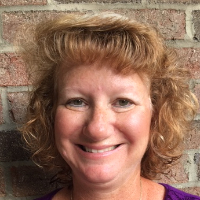
North Carolina · 20 yrs exp
LCSW focused on anxiety and family concerns
Stress, Anxiety · Relationship · Family · Parenting · +13 more
Read profile
North Carolina · 12 yrs exp
LCMHC focused on mood and stress concerns
Stress, Anxiety · LGBT · Family · Trauma and abuse · +8 more
Read profile
North Carolina · 12 yrs exp
LPC, LCMHC - stress and trauma support
Stress, Anxiety · Trauma and abuse · Anger · Depression · +14 more
Read profile
North Carolina · 13 yrs exp
LCMHC LPC in North Carolina - stress, mood, relationships
Stress, Anxiety · Relationship · Anger · Bipolar · +13 more
Read profile
North Carolina · 46 yrs exp
NC Psychologist focusing on practical treatment plans
Stress, Anxiety · Relationship · Parenting · Depression · +12 more
Read profile
North Carolina · 20 yrs exp
LCMHC - Anxiety, Trauma, Depression
Stress, Anxiety · Family · Trauma and abuse · Anger · +14 more
Read profile
North Carolina · 15 yrs exp
CA Psychologist focusing on mood and attention
Stress, Anxiety · Self esteem · Bipolar · Depression · +14 more
Read profile
North Carolina · 10 yrs exp
LCMHC focusing on somatic and existential work
Stress, Anxiety · LGBT · Relationship · Coping with life changes · +13 more
Read profile
North Carolina · 17 yrs exp
LMFT focusing on relationship and family work
Relationship · Family · Grief · Intimacy-related issues · +10 more
Read profile
North Carolina · 34 yrs exp
LCSW focusing on stress and relationships
Stress, Anxiety · Addictions · Trauma and abuse · Depression · +13 more
Read profile
North Carolina · 4 yrs exp
LCSW - stress, anxiety, grief, and relationships
Stress, Anxiety · Grief · Self esteem · Depression · +15 more
Read profile
North Carolina · 20 yrs exp
LCSW focused on mood and addiction concerns
Stress, Anxiety · Addictions · Family · Career · +16 more
Read profile
North Carolina · 10 yrs exp
LCSW focusing on relationship and stress work
Stress, Anxiety · Relationship · Family · Grief · +11 more
Read profile
North Carolina · 15 yrs exp
LCSW focusing on stress and relationships
Stress, Anxiety · Relationship · Family · Parenting · +8 more
Read profile
North Carolina · 25 yrs exp
Dr. Carol Bunch, LCMHC LPC - Stress and trauma focus
Stress, Anxiety · Addictions · Relationship · Self esteem · +8 more
Read profile
North Carolina · 3 yrs exp
LISW-CP, LCSW - adult mental health and addictions
Stress, Anxiety · Addictions · Relationship · Family · +11 more
Read profile
North Carolina · 15 yrs exp
LCMHC in North Carolina - stress and relationship concerns
Stress, Anxiety · Addictions · Relationship · Trauma and abuse · +14 more
Read profileIf you live in North Carolina and are considering online therapy, you are part of a growing number of people using remote mental health services. Online therapy in the state is offered by clinicians who hold North Carolina licenses in fields such as psychology, social work, professional counseling and marriage and family therapy. State practice rules determine who may provide services to residents and under what conditions, so therapists who work across state lines often note the places where they are licensed and the approaches they use. In recent years, technology, shifting consumer expectations and updates to practice standards have made online sessions a common option alongside in-person care. For many people, the ability to connect from home, a work break room or another convenient location removes logistical barriers and can make it easier to begin or maintain therapy.
Online therapy offers several practical benefits that matter in everyday life. You may find that scheduling is more flexible when you do not need to factor in commuting time, traffic or parking. If you live in a rural county or a small town where specialty mental health providers can be sparse, online sessions increase your access to clinicians who list particular specialties or speak certain languages. For people balancing caregiving, shift work or school, remote sessions can reduce the time and cost involved in attending appointments. Many clients also report that being in a familiar environment helps them feel more at ease during the work of therapy. In addition to convenience, online formats allow you to choose therapists by professional focus, theoretical approach and cultural background rather than being limited to local options alone.
Therapists who provide online services in North Carolina often work with a wide range of life challenges. You can expect clinicians to address mood concerns such as depression and anxiety and to support people managing stress, grief, workplace difficulties and life transitions like divorce or relocation. Couples and families increasingly use online sessions to work on communication and relationship patterns when meeting in person is difficult. Many clinicians also offer support for trauma-related concerns, coping with chronic health conditions and adjusting to major milestones such as becoming a parent or changing careers. When you read a therapist profile, look for descriptions of focus areas and the populations they state they work with, since those details help you determine if a clinician's experience aligns with your needs.
Online therapy can be effective for conversational work, skill-building and emotional processing. It works well when you and your clinician can maintain a consistent appointment rhythm and when both of you have reliable internet and an appropriate space to talk. For higher intensity needs or crises, clinicians often outline how they manage safety and local referrals; these details can usually be found in a profile or discussed directly. While online work can be very helpful for many concerns, you should always choose a setting and clinician that feels right for the level of care you need and your personal preferences.
Verifying a license is a concrete step you can take when selecting an online therapist. North Carolina licensing boards publish online directories where you can confirm that a clinician holds an active license, view the license type and see whether any disciplinary actions are recorded. When you search, you will usually need the clinician's full name or license number. Boards to consult include the North Carolina Psychology Board for licensed psychologists, the North Carolina Board of Licensed Clinical Social Workers for social workers, the North Carolina Board of Licensed Professional Counselors for professional counselors and the North Carolina Board for Licensure of Marriage and Family Therapists for MFTs. These websites also provide information on the scope of practice for each license and links to statutes and rules that govern telehealth practice in the state.
When you locate a license record, note the license status and any public notes about restrictions or disciplinary actions. Records commonly list the date the license was issued and the expiration date. If a therapist indicates additional credentials or approaches on their profile, remember that those entries do not appear on a state license record; the board will only confirm the formal professional license. If you have questions about what a license type permits, the licensing board's contact information can help you get clarification. Taking the time to confirm licensure protects you and helps you understand the practitioner’s legal authority to provide services in North Carolina.
Starting therapy remotely begins with a few practical steps. First, read therapist profiles to understand their stated approaches, focus areas and the populations they note they work with. If a profile mentions specific therapeutic modalities, remember that this indicates what the therapist lists among their approaches rather than an external verification of expertise. Next, review logistical details provided on the profile such as accepted payment methods, insurance participation and spoken languages. Many clinicians describe what a typical first session covers and how they structure ongoing work; these descriptions can set expectations about session length, format and the general approach to therapy.
Before your initial appointment, test the technology you will use to connect, choose a quiet and comfortable environment for the session and decide whether you prefer video or phone-based meetings. Consider writing down your goals for therapy, recent life events you want to address and any questions about the therapist's approach. It is also helpful to have basic information handy such as emergency contacts and the name of your primary care clinician if you wish to coordinate care. Many therapists will review intake paperwork and informed consent documents that explain communication policies, practice policies and fees. Reading these documents and asking clarifying questions helps you enter therapy with clear expectations.
Choosing a therapist is a personal decision and it is normal to take time comparing profiles. Start by identifying the issues you want to address and the types of approaches that appeal to you. If cultural competence, language, age or identity match matter to you, look for clinicians who note those aspects in their profiles. Pay attention to stated specialties and the populations a therapist lists, since those details can indicate relevant experience. When reviewing a profile, you may also consider education and license type to understand the clinician's background, keeping in mind that a license speaks to scope of practice rather than specific clinical techniques. It can be useful to prepare questions about how the therapist typically works, how they measure progress and how they handle scheduling or payment logistics so you can make an informed choice.
Ultimately, the working relationship you develop with a therapist is central to progress. After a few sessions, you will have a sense of whether the therapist's style, communication and approach fit your expectations. It is reasonable to try a few clinicians in search of the right match; many people make adjustments early on as they refine what they need from therapy. When a therapist feels like a good match, you can focus on the goals you set together and the practical steps toward meeting them. If a match does not feel right, that is a normal part of the process and you can continue your search with the clarity gained from that experience.
Whether you are exploring online therapy for the first time or returning to care after a break, understanding how online services work in North Carolina and how to evaluate clinician profiles will help you make thoughtful choices. Use the directory to compare therapists by approaches, credentials and language, confirm licensure through state boards and prepare for your first session so you can begin meaningful work on the issues that matter to you.
Addictions
818 therapists
ADHD
751 therapists
Anger
998 therapists
Chronic Illness
426 therapists
Control Issues
762 therapists
Depression
1340 therapists
Grief
1115 therapists
Guilt and Shame
1055 therapists
Isolation / Loneliness
1009 therapists
Midlife Crisis
701 therapists
Mood Disorders
910 therapists
Panic Disorder and Panic Attacks
825 therapists
Post-Traumatic Stress
953 therapists
Postpartum Depression
491 therapists
Self Esteem
1302 therapists
Sleeping Disorders
435 therapists
Social Anxiety and Phobia
978 therapists
Stress & Anxiety
1427 therapists
Trauma and Abuse
1192 therapists
Abandonment
732 therapists
Aging and Geriatric Issues
531 therapists
Attachment Issues
787 therapists
Blended Family Issues
620 therapists
Body Image
554 therapists
Career
851 therapists
Caregiver Issues and Stress
818 therapists
Codependency
768 therapists
Communication Problems
1142 therapists
Compassion Fatigue
761 therapists
Coping with Life Changes
1218 therapists
Divorce
875 therapists
Family
1112 therapists
Family of Origin Issues
639 therapists
Forgiveness
993 therapists
Hospice and End-of-Life Counseling
376 therapists
Life Purpose
1048 therapists
Money and Financial Issues
488 therapists
Parenting
957 therapists
Pregnancy
355 therapists
Relationship
1244 therapists
Self-Love
1022 therapists
Workplace Issues
794 therapists