
Dr. Daniella Jackson
LMHCFlorida · 20 yrs exp
LMHC in Florida - Addiction and relationship issues
Stress, Anxiety · Addictions · Relationship · Self esteem · +16 more
Read profileTherapist listings are provided by BetterHelp. We will earn a commission at no additional cost to you if you use our links to purchase.
Explore therapists who focus on prejudice and discrimination, including race-based harms, gender bias, sexual orientation issues, and workplace prejudice. Use the directory below to review clinician profiles and learn about their approaches, languages, and experience. Browse listings to find therapists whose perspectives and methods align with what you want.
Florida · 20 yrs exp
LMHC in Florida - Addiction and relationship issues
Stress, Anxiety · Addictions · Relationship · Self esteem · +16 more
Read profile
Louisiana · 10 yrs exp
LPC in Louisiana focused on relationships and coping
Stress, Anxiety · Relationship · Family · Depression · +12 more
Read profile
Texas · 10 yrs exp
LPC in Texas focused on anxiety and relationships
Stress, Anxiety · Relationship · Family · Depression · +14 more
Read profile
Georgia · 15 yrs exp
LPC in Georgia focused on anxiety and relationships
Stress, Anxiety · Grief · Intimacy-related issues · Self esteem · +10 more
Read profile
Colorado · 11 yrs exp
LPC focusing on anxiety and life transitions
Stress, Anxiety · LGBT · Trauma and abuse · Anger · +15 more
Read profile
Massachusetts · 25 yrs exp
MA LMHC - stress anxiety relationships
Stress, Anxiety · Relationship · Family · Self esteem · +14 more
Read profile
Florida · 30 yrs exp
FL Psychologist - stress, anxiety, relationships
Stress, Anxiety · Grief · Anger · Depression · +15 more
Read profile
Wisconsin · 11 yrs exp
Licensed Professional Counselor - stress and relationships
Stress, Anxiety · Family · Trauma and abuse · Depression · +12 more
Read profile
Florida · 20 yrs exp
LMHC in Florida - stress anxiety grief focus
Stress, Anxiety · Grief · Self esteem · Depression · +9 more
Read profile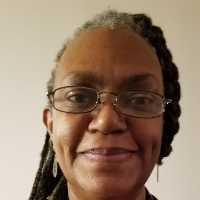
Maryland · 25 yrs exp
LCPC in Maryland - stress and addictions focus
Stress, Anxiety · Addictions · Relationship · Grief · +12 more
Read profile
California · 20 yrs exp
LCSW focused on stress and relationships
Stress, Anxiety · Relationship · Family · Parenting · +15 more
Read profile
Michigan · 10 yrs exp
LPC focusing on trauma, mood, and relationships
Stress, Anxiety · Family · Trauma and abuse · Grief · +12 more
Read profile
Missouri · 35 yrs exp
LCSW focused on trauma, mood, and life changes
Stress, Anxiety · Trauma and abuse · Anger · Bipolar · +13 more
Read profile
Oregon · 17 yrs exp
LMFT focusing on trauma, anxiety, and grief
Stress, Anxiety · Trauma and abuse · Grief · Intimacy-related issues · +1 more
Read profile
California · 5 yrs exp
Licensed Marriage and Family Therapist - relationships and grief
Relationship · Grief · Parenting · Self esteem · +11 more
Read profile
Colorado · 13 yrs exp
LMFT in Colorado - stress, trauma, relationships
Stress, Anxiety · LGBT · Relationship · Trauma and abuse · +10 more
Read profile
Michigan · 14 yrs exp
LICSW focusing on trauma and life changes
Stress, Anxiety · Addictions · Family · Trauma and abuse · +12 more
Read profile
Texas · 13 yrs exp
LPC working with adults and couples
Stress, Anxiety · Relationship · Family · Parenting · +14 more
Read profile
Oklahoma · 9 yrs exp
LPC - Stress, mood, and relationship concerns
Stress, Anxiety · Anger · Self esteem · Coping with life changes · +16 more
Read profile
Idaho · 18 yrs exp
LCSW focused on anxiety, trauma, and coping
Stress, Anxiety · Trauma and abuse · Grief · Self esteem · +10 more
Read profile
Indiana · 35 yrs exp
LCSW focusing on mood and life changes
Stress, Anxiety · Grief · Self esteem · Depression · +4 more
Read profile
Illinois · 30 yrs exp
Deborah Beard, LCPC - Stress and mood concerns
Stress, Anxiety · Relationship · Family · Trauma and abuse · +12 more
Read profile
Massachusetts · 30 yrs exp
LMFT, LMHC - addictions, family, trauma
Addictions · Family · Trauma and abuse · Grief · +16 more
Read profile
New Mexico · 4 yrs exp
LCSW focused on relationship and mood concerns
Stress, Anxiety · Relationship · Trauma and abuse · Intimacy-related issues · +11 more
Read profilePrejudice refers to preformed attitudes or assumptions about a group, while discrimination involves actions or policies that treat people unfairly because of identity, background, or perceived difference. In daily life you may encounter subtle slights, overt hostility, exclusion, microaggressions, or systemic barriers. These experiences can accumulate, shaping how you see yourself, how you trust others, and how you engage with work, family, and community.
When prejudice and discrimination affect you directly, the impact may be felt emotionally, mentally, physically, and socially. You might notice changes in mood, chronic stress, difficulty sleeping, heightened vigilance, or withdrawal from situations that previously felt safe. Those effects are normal responses to unfair treatment. Therapy can offer a space to explore how these experiences have shaped your beliefs, behaviors, and relationships, and to develop ways to respond that protect your well-being while honoring your identity.
People from many backgrounds experience prejudice in distinct ways. Cultural, historical, and institutional contexts shape what discrimination looks like and how it is felt. Recognizing that your reactions make sense in context can be an important early step in therapeutic work, and it helps you set realistic goals for healing and change.
You may decide to look for help when responses to bias begin to interfere with daily life. That might show up as persistent anxiety about interacting with coworkers or strangers, avoidance of certain places or people, or difficulty asserting boundaries. You might find yourself replaying incidents, feeling numb or angry in ways that are hard to manage, or noticing patterns of mistrust that affect relationships. Some people seek therapy after a specific incident of harassment or violence; others come because a lifetime of exclusion has created ongoing stress and weariness.
Therapy can also be helpful if you want to understand how prejudiced experiences have influenced your sense of identity or self-worth. If you are working through complicated feelings about belonging, assimilation, or intergenerational impacts of bias, talking with a clinician can provide perspective. You do not need a crisis to benefit from therapy - seeking support while you are still managing day-to-day can be a proactive step toward resilience and renewed clarity.
If you are unsure whether therapy is right now, consider whether you would like a structured place to process emotions, learn coping strategies, or explore options for addressing injustice in personal or professional contexts. A therapist can help you map goals and adapt approaches that fit your situation.
In early sessions a therapist will typically ask about the experiences that brought you to therapy and about your current life, relationships, and priorities. You can expect space to describe incidents of bias and to reflect on how they have affected your thoughts, feelings, and behaviors. The pace and depth of that discussion will depend on your comfort level; you control how much you share and when.
Work in ongoing sessions often includes processing emotional responses, strengthening coping skills, and exploring practical strategies for addressing or responding to discrimination in immediate situations. You may work on communication techniques, boundary setting, stress-reduction practices, or ways to rebuild connection after harm. Some people bring workplace dilemmas or family conflicts into sessions and use therapy as a place to rehearse conversations or clarify values before taking action.
Therapists tend to adapt interventions to fit cultural context and personal history. That might mean incorporating your cultural strengths, identity-related resources, and community connections into therapeutic goals. Your therapist should be willing to learn from you about how discrimination shows up in your life and to collaborate on approaches that honor your priorities. Progress is often uneven; noticing small shifts in how you respond to stress or how you care for yourself can be as meaningful as addressing larger systemic issues over time.
Therapists use a range of approaches when working with prejudice and discrimination, and the choice often depends on what you want from therapy. You may encounter therapists who list cognitive behavioral therapy (CBT) among their approaches to help with managing anxiety and negative thought patterns that emerge after biased encounters. Others may mention narrative therapy as a way to explore how identity stories have been shaped by social messages and to reclaim personal meaning. Therapists who list trauma-informed approaches among their methods may focus on the ways repeated bias can produce stress responses and work on regulation and safety-building.
Some clinicians emphasize culturally informed practice, integrating knowledge of systemic factors and cultural strengths into sessions. Others may use interpersonal approaches to mend relationships affected by discrimination or to practice assertive communication. There are also therapists who list mindfulness and somatic techniques among their approaches to help with bodily symptoms of stress and to restore a sense of calm after triggering events. When reviewing profiles, pay attention to how clinicians describe their approach and whether they mention working with identities and power dynamics explicitly.
Because listing an approach does not prove specific certification, it can be useful to ask a clinician how they apply a given method to discrimination-related concerns. You might inquire about how they incorporate cultural context or the ways they help clients navigate systems like workplaces, schools, or legal services. Thoughtful dialogue about method and fit can help you find a match for the kind of work you want to do.
Online therapy offers flexibility that can make it easier to find a clinician who understands prejudice and discrimination, especially if you live in an area with limited in-person options. Video and phone sessions allow you to connect from a setting you choose, which can reduce travel time and allow you to maintain routines around work or caregiving. Many therapists list online work among the formats they offer, and you can often see profiles that describe their experience with identity-related issues before you reach out.
When you choose online therapy, consider how technology, information-sharing boundaries expectations, and your physical setting will affect your sense of comfort. You may prefer to be in a quiet room where you feel protected, or you may opt for a location that feels safe for disclosure. If you are processing recent bias or harassment, you can talk with a clinician about how to create boundaries for difficult conversations and how to pause or reschedule if you need space after an intense session.
Online work can also open access to therapists who speak your language or have cultural knowledge that matters to you. That broader reach can make it easier to find a clinician who explicitly addresses intersectional issues, systemic dynamics, and culturally specific coping strategies. As with in-person therapy, building trust and testing fit over a few sessions is a common way to determine whether the therapeutic relationship is helping you move toward your goals.
Begin by clarifying what you want from therapy. Are you seeking support to manage stress symptoms, guidance for addressing workplace bias, help processing traumatic incidents, or a space to explore identity and belonging? Identifying primary goals will help you evaluate clinician profiles and descriptions of approach. Look for language that indicates awareness of power, identity, and systemic factors, and for mentions of work with issues similar to yours.
Pay attention to professional credentials and experience, but remember that listings of approaches are not proof of specialized certification. Many therapists include a range of methods on their profiles; read how they describe applying those methods to prejudice-related concerns. If a profile mentions cultural competence, language skills, or community experience that resonates with you, that can be a useful clue to potential fit.
When you reach out, you can ask questions about how the therapist frames work on discrimination, how they integrate cultural or identity-aware practices, and how they approach safety during intense sessions. It is reasonable to ask about communication style, typical session structure, and how they support clients facing external systems like employers or schools. Trust your impressions of whether a clinician listens and respects your perspective. If a connection does not feel right after a few sessions, that is not a failure - it is information that helps you refine what you need from therapy.
Finding a therapist who understands prejudice and discrimination can be an important step toward restoring balance, clarifying values, and strengthening coping. Use the listings below to compare profiles, read about approaches, and start conversations with clinicians who seem aligned with the support you want.
Alabama
20 therapists
Alaska
2 therapists
Arizona
16 therapists
Arkansas
8 therapists
California
147 therapists
Colorado
54 therapists
Connecticut
16 therapists
District of Columbia
2 therapists
Florida
153 therapists
Georgia
62 therapists
Hawaii
5 therapists
Idaho
8 therapists
Illinois
58 therapists
Indiana
27 therapists
Iowa
6 therapists
Kansas
13 therapists
Kentucky
17 therapists
Louisiana
20 therapists
Maine
2 therapists
Maryland
41 therapists
Massachusetts
28 therapists
Michigan
41 therapists
Minnesota
19 therapists
Mississippi
13 therapists
Missouri
38 therapists
Montana
5 therapists
Nebraska
9 therapists
Nevada
5 therapists
New Hampshire
4 therapists
New Jersey
38 therapists
New Mexico
6 therapists
New York
83 therapists
North Carolina
65 therapists
North Dakota
4 therapists
Ohio
45 therapists
Oklahoma
17 therapists
Oregon
17 therapists
Pennsylvania
45 therapists
Rhode Island
2 therapists
South Carolina
36 therapists
South Dakota
3 therapists
Tennessee
24 therapists
Texas
161 therapists
Utah
18 therapists
Vermont
3 therapists
Virginia
44 therapists
Washington
23 therapists
West Virginia
1 therapist
Wisconsin
20 therapists
Wyoming
3 therapists