
LaKeisha Blackwell
LPCMichigan · 15 yrs exp
LPC - stress, mood, and life changes
Stress, Anxiety · Anger · Self esteem · Depression · +10 more
Read profileTherapist listings are provided by BetterHelp. We will earn a commission at no additional cost to you if you use our links to purchase.
Welcome to our Michigan online therapy directory. All therapists listed here are licensed in Michigan, and you can explore their specialties, approaches, and languages to find a good match. Use the profiles below to learn more about each clinician and narrow your search.
Michigan · 15 yrs exp
LPC - stress, mood, and life changes
Stress, Anxiety · Anger · Self esteem · Depression · +10 more
Read profile
Michigan · 10 yrs exp
LPC focusing on trauma, mood, and relationships
Stress, Anxiety · Family · Trauma and abuse · Grief · +12 more
Read profile
Michigan · 14 yrs exp
LICSW focusing on trauma and life changes
Stress, Anxiety · Addictions · Family · Trauma and abuse · +12 more
Read profile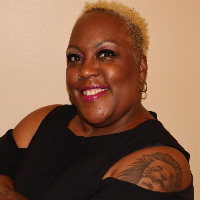
Michigan · 15 yrs exp
LMSW, LISW - stress, trauma, relationship concerns
Stress, Anxiety · Trauma and abuse · Grief · Depression · +11 more
Read profile
Michigan · 33 yrs exp
MI Psychologist focused on anxiety and life changes
Stress, Anxiety · Parenting · Coping with life changes · Addictions · +7 more
Read profile
Michigan · 10 yrs exp
LMSW, LISW - Individual concerns and coping skills
Addictions · Relationship · Trauma and abuse · Self esteem · +16 more
Read profile
Michigan · 8 yrs exp
LMSW helping with stress and life transitions
Stress, Anxiety · Self esteem · Depression · Coping with life changes · +9 more
Read profile
Michigan · 24 yrs exp
LMSW in Michigan focusing on practical care
Stress, Anxiety · Relationship · Family · Parenting · +11 more
Read profile
Michigan · 20 yrs exp
Dr. Deborah Bailey, LMFT - Relationship and mood work
Stress, Anxiety · Relationship · Parenting · Depression · +12 more
Read profile
Michigan · 23 yrs exp
LMSW focused on anxiety and trauma
Stress, Anxiety · LGBT · Relationship · Family · +9 more
Read profile
Michigan · 11 yrs exp
LMSW - Stress, anxiety, trauma focus
Stress, Anxiety · Addictions · Trauma and abuse · Self esteem · +1 more
Read profile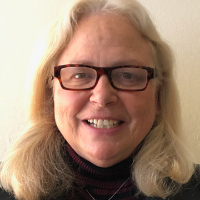
Michigan · 8 yrs exp
LMSW LICSW - Stress, mood, trauma
Stress, Anxiety · Trauma and abuse · Grief · Self esteem · +11 more
Read profile
Michigan · 5 yrs exp
LCSW and LMSW focused on trauma and behavior
Stress, Anxiety · Addictions · LGBT · Trauma and abuse · +13 more
Read profile
Michigan · 40 yrs exp
LMSW focused on stress and relationships
Stress, Anxiety · Relationship · Family · Trauma and abuse · +11 more
Read profile
Michigan · 7 yrs exp
LPC focused on stress and relationships
Stress, Anxiety · Relationship · Family · Trauma and abuse · +12 more
Read profile
Michigan · 12 yrs exp
Licensed Professional Counselor - relationship and life changes
Relationship · Grief · Intimacy-related issues · Self esteem · +8 more
Read profile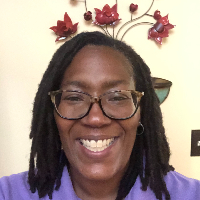
Michigan · 7 yrs exp
LPC focusing on anxiety, trauma, and relationships
Stress, Anxiety · LGBT · Trauma and abuse · Anger · +14 more
Read profile
Michigan · 8 yrs exp
LPC in Michigan focusing on stress and relationships
Stress, Anxiety · Relationship · Trauma and abuse · Self esteem · +10 more
Read profile
Michigan · 32 yrs exp
LMSW in Michigan - stress, relationships, mood
Stress, Anxiety · Relationship · Self esteem · Depression · +11 more
Read profile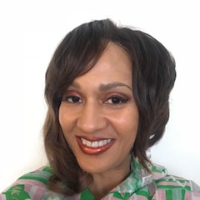
Michigan · 32 yrs exp
LMSW focused on mood and relationships
Stress, Anxiety · Relationship · Trauma and abuse · Self esteem · +16 more
Read profile
Michigan · 11 yrs exp
LCSW in Michigan - trauma and mood concerns
Stress, Anxiety · Trauma and abuse · Anger · Self esteem · +10 more
Read profile
Michigan · 18 yrs exp
Licensed Professional Counselor - stress, trauma, relationships
Stress, Anxiety · Parenting · Self esteem · Career · +11 more
Read profile
Michigan · 21 yrs exp
LMSW, LCSW - family and trauma focus
Family · Trauma and abuse · Parenting · Depression · +15 more
Read profile
Michigan · 4 yrs exp
LMSW helping with stress and relationship concerns
Stress, Anxiety · Relationship · Parenting · Self esteem · +13 more
Read profileOnline therapy has expanded significantly across Michigan in recent years, giving people access to professional counseling without limiting sessions to a particular office location. Whether you live in a major city like Detroit, Grand Rapids, or a smaller town up north, you can find clinicians who offer remote sessions across the state. Laws and regulations in Michigan allow licensed mental health professionals to provide services to residents of the state, and many clinicians list telehealth or online therapy among the ways they meet with clients. When you use this directory you will see basic information about each therapist's credentials, the approach or approaches they list, languages spoken, and areas of focus. That context helps you understand the kinds of support you can explore from home, at work, or wherever you feel most comfortable for a virtual session.
Online therapy is not a single method - it is a mode of delivery that can be used alongside many therapeutic approaches. Some therapists list modalities such as cognitive-behavioral strategies, psychodynamic approaches, or humanistic methods among their approaches. Others may list specialized work with grief, trauma, or relationship issues. Because the online format removes geographic constraints, you may encounter clinicians with a wide range of experience and perspectives. This broader pool of professionals can be helpful if you are looking for a particular language match, a clinician who works with specific populations, or someone who lists particular therapeutic approaches.
Online therapy offers practical benefits that often make it easier to fit care into a busy life. You save commuting time and you are not limited to clinicians within your immediate neighborhood. For Michigan residents who live in rural counties or who face transportation challenges, the online option can expand your choices. Many people also appreciate the convenience of scheduling sessions around work, school, or family responsibilities. The flexibility of remote sessions may allow for more consistent contact with a therapist when travel, weather, or mobility present obstacles.
For those who prefer a certain level of visual or auditory distance, online sessions can feel less intense at first while still providing meaningful connection. You can choose a setting that feels comfortable and make practical adjustments like using headphones for privacy or closing your door during a session. If language match matters, the online format increases the likelihood of finding a clinician who lists your preferred language. Similarly, if you want a therapist who lists experience with specific life stages or issues, remote options can give you access to people whose expertise might not be present locally.
Online therapists in Michigan work with a wide range of concerns that include emotional health, relationship struggles, life transitions, and stress management. Many clinicians list help with anxiety and depression among their focus areas, using approaches that aim to reduce symptoms and improve daily functioning. Others list support for trauma-related stress, grief and loss, parenting challenges, and interpersonal conflicts. You will also find therapists who list specialties in couples work, adolescent development, or life-stage transitions such as career change and retirement.
Some therapists list approaches that target behavior change, emotion regulation, or processing difficult experiences. Others emphasize life-coaching style support for goal-setting and habit shifts. When you review profiles in this directory, look for the issues and populations a clinician lists - for example, work with adolescents, older adults, or LGBTQ+ clients - to gauge alignment with your needs. Therapists who list EMDR among their approaches should be described as listing it among their approaches, not as proof of formal training, and you can use that phrasing to understand the range of methods a clinician reports using in their practice.
Verifying a clinician's license is an important step in choosing a therapist. In Michigan you can confirm licensure through the state's professional licensing system, which provides a public record of active licenses, license types, and any disciplinary actions or restrictions. When you search a therapist's name or license number you will usually find the license type listed - for example, licensed clinical social worker or licensed professional counselor - along with the status and expiration date. This information helps you confirm that the person is authorized to practice in Michigan under the license indicated on their profile.
When you look up a license, pay attention to the exact title shown on the state record and any notes about restrictions. If you have questions about what a particular license type allows, the licensing board's resources explain the scope of practice associated with each credential. Keep in mind that a therapist's profile in a directory is a starting point. The state record is the source for formal license status. If a profile lists a particular approach or specialty, you can treat that listing as the clinician's description of interests or methods rather than as a formal certification.
Getting started with online therapy is a step-by-step process that is easier when you know what to prepare. First, think about the reasons you want therapy and the outcomes you hope to achieve. Are you looking for short-term tools to manage stress, or a longer process to explore relationships and patterns? Use those goals to guide your search through therapist profiles so you can focus on clinicians who list relevant specialties and approaches. Pay attention to practical details such as whether a clinician lists the languages they speak, their areas of focus, and the kinds of approaches they list.
Next, reach out using the contact methods listed in a therapist's profile. Many clinicians will provide a method for initial contact to answer basic questions about their approach and working style. Before your first session think about where you will sit, how you will handle interruptions, and what technology you will use for video or audio sessions. It helps to test your camera and microphone ahead of time. If you rely on insurance or other payment methods, review a clinician's profile for listed payment options or ask about administrative details during the initial contact. Preparing a few notes about what you want to address in early sessions can make the first meeting more focused and useful.
Choosing a therapist is a personal decision and a good match goes beyond credentials. Start by identifying the attributes that matter most to you - for example, a clinician who lists experience with grief, speaks your language, or describes an approach that resonates with you. Read profiles to learn how therapists describe their work. When a clinician notes certain approaches among their methods, think about whether that style fits your needs and preferences. Some people prefer structured, skills-based work while others want a reflective, exploratory process.
Consider the practical and relational aspects of a good therapeutic fit. Practical aspects include language, areas of focus, and payment options. Relational aspects include the tone and values a therapist expresses in their profile. It is appropriate to ask questions about what a typical session looks like and how the clinician approaches challenges you bring up. Trust your instincts about how a clinician communicates in early exchanges; feeling heard and respected in initial conversations is often an indicator of a productive working relationship. Finally, remember that it is okay to take time to find a clinician whose approach and presence align with what you need - effective therapy depends on the match as much as on any individual method.
Finding the right online therapist in Michigan involves combining practical checks with personal preference. Use the directory to explore licensed clinicians, learn about their listed approaches and specialties, and prepare for a first conversation that clarifies how they work. With thoughtful searching and clear questions, you can identify professionals who match your needs and begin the process of getting the support you want.
Addictions
818 therapists
ADHD
751 therapists
Anger
998 therapists
Chronic Illness
426 therapists
Control Issues
762 therapists
Depression
1340 therapists
Grief
1115 therapists
Guilt and Shame
1055 therapists
Isolation / Loneliness
1009 therapists
Midlife Crisis
701 therapists
Mood Disorders
910 therapists
Panic Disorder and Panic Attacks
825 therapists
Post-Traumatic Stress
953 therapists
Postpartum Depression
491 therapists
Self Esteem
1302 therapists
Sleeping Disorders
435 therapists
Social Anxiety and Phobia
978 therapists
Stress & Anxiety
1427 therapists
Trauma and Abuse
1192 therapists
Abandonment
732 therapists
Aging and Geriatric Issues
531 therapists
Attachment Issues
787 therapists
Blended Family Issues
620 therapists
Body Image
554 therapists
Career
851 therapists
Caregiver Issues and Stress
818 therapists
Codependency
768 therapists
Communication Problems
1142 therapists
Compassion Fatigue
761 therapists
Coping with Life Changes
1218 therapists
Divorce
875 therapists
Family
1112 therapists
Family of Origin Issues
639 therapists
Forgiveness
993 therapists
Hospice and End-of-Life Counseling
376 therapists
Life Purpose
1048 therapists
Money and Financial Issues
488 therapists
Parenting
957 therapists
Pregnancy
355 therapists
Relationship
1244 therapists
Self-Love
1022 therapists
Workplace Issues
794 therapists