01
- DBT based skills
- CBT techniques
- Emotion regulation
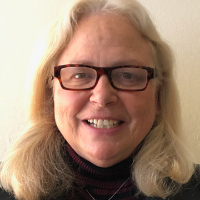
About Robin
LMSW, LICSW licensed in Michigan with 8 years in practice. Robin Johnson helps people manage stress, anxiety, trauma and abuse, grief, depression, addictions, and a wide range of mood and relationship concerns. She describes her style as direct and transparent and says clients guide the work while she provides guidance.
Robin uses client-centered methods alongside cognitive behavioral techniques and DBT-based skills. She emphasizes emotion regulation, coping strategies, grounding and relaxation practices, and practical relationship skills. Motivational interviewing and mindfulness approaches appear in her work when clients are focusing on change and habit shifts.
Her sessions focus on concrete change. She helps people improve mood, set boundaries, and adjust to life transitions. She also addresses past trauma and substance use by teaching skills to manage strong emotions and urges.
Robin prefers a straightforward approach that mixes respect, humor, and occasional confrontation. She lists talk therapy, spirituality, grounding, anchoring, and relaxation techniques among her tools. She notes availability mostly weekdays during the day and some evening or weekend chat sessions may be possible.
Her background includes practice in mental health and work with mood disorders, obsessive-compulsive issues, and a range of personality and attachment concerns. She also notes experience with LGBT issues, adoption and foster care matters, aging concerns, and family and parenting topics.
She asks people to take the first step by coming to therapy when things feel unmanageable. The work is presented as a collaborative process where the client sets direction and she follows with guidance and skill-building.
02
How her approaches shape online sessions
Client-centered therapy focuses on the person’s own goals and perspective. It involves open listening and reflecting to help people decide what matters most and to move forward. Cognitive behavioral therapy breaks problems into thoughts, feelings, and actions. It teaches specific skills to change unhelpful thinking and behavior and often helps with anxiety, depression, and mood regulation.Dialectical behavior therapy based skills teach emotion regulation, distress tolerance, and interpersonal effectiveness. These skills are practical and aim to reduce impulsive reactions and improve relationships. Robin uses these approaches to teach coping tools and to guide skill practice during sessions.
Finding the best approach is part of the work. The therapist will collaborate with each person to choose methods that match goals, needs, and preferences. That selection can change as progress is made and goals evolve.
Session formats are not specified in the biography, so confirm current options before booking. Online work can make it easier to fit sessions around busy days, allow shorter check-ins when needed, and remove travel time. Licensed professionals can use video or phone in ways that let sessions focus on practicing skills, reviewing homework, and applying techniques to daily life.
03
Areas of expertise
Also works with
Additional focus areas
Therapeutic approaches
Experience
8+ years
Listed in
Michigan, Massachusetts
Languages
English
04
Frequently asked questions
What issues does she focus on?
She works on stress, anxiety, trauma and abuse, grief, depression, addictions, and several relationship and mood concerns.
What is her therapeutic approach?
She uses a direct, transparent style and combines client-centered work with CBT, DBT skills, mindfulness, and motivational interviewing.
How many years of experience does she have?
She has eight years of clinical experience in practice.
Which credentials and state license does she hold?
She holds LMSW and LICSW credentials and is licensed in Michigan.
In what language are sessions offered?
Sessions are offered in English.
Does she work with international clients?
She does not accept international clients at this time.
How are sessions paid for?
Cost varies with location and sessions use a subscription that can be canceled at any time.
How do I begin working with her?
Click the See online therapy options button, complete a short matching questionnaire, and schedule a first session.
Online talk therapy is not emergency care. If you are in danger, call 911, or call or text 988.