
Maya Neal
LMFTSouth Carolina · 16 yrs exp
LMFT - Stress, relationships, and coping skills
Stress, Anxiety · Relationship · Family · Parenting · +14 more
Read profileTherapist listings are provided by BetterHelp. We will earn a commission at no additional cost to you if you use our links to purchase.
On this page you'll find therapists who list men's issues among their specialty areas, including relationship struggles, anger, identity questions, and transitions like fatherhood or job change. Browse the profiles below to compare focus areas, therapeutic approaches, credentials, and languages to help you find a good fit.
South Carolina · 16 yrs exp
LMFT - Stress, relationships, and coping skills
Stress, Anxiety · Relationship · Family · Parenting · +14 more
Read profile
Massachusetts · 23 yrs exp
MA LMHC - Addictions, Relationships, Trauma
Addictions · LGBT · Relationship · Intimacy-related issues · +12 more
Read profile
Missouri · 7 yrs exp
LPC in Missouri focused on mood and addiction issues
Stress, Anxiety · Addictions · Relationship · Self esteem · +13 more
Read profile
South Dakota · 12 yrs exp
LPC LMHP focused on anxiety and relationship work
Stress, Anxiety · Relationship · Family · Trauma and abuse · +13 more
Read profile
Michigan · 14 yrs exp
LICSW focusing on trauma and life changes
Stress, Anxiety · Addictions · Family · Trauma and abuse · +12 more
Read profile
North Dakota · 10 yrs exp
Licensed Clinical Social Worker - mood, trauma, family concerns
Stress, Anxiety · Relationship · Family · Trauma and abuse · +10 more
Read profile
Oklahoma · 9 yrs exp
LPC - Stress, mood, and relationship concerns
Stress, Anxiety · Anger · Self esteem · Coping with life changes · +16 more
Read profile
Idaho · 18 yrs exp
LCSW focused on anxiety, trauma, and coping
Stress, Anxiety · Trauma and abuse · Grief · Self esteem · +10 more
Read profile
Massachusetts · 30 yrs exp
LMFT, LMHC - addictions, family, trauma
Addictions · Family · Trauma and abuse · Grief · +16 more
Read profile
New Mexico · 4 yrs exp
LCSW focused on relationship and mood concerns
Stress, Anxiety · Relationship · Trauma and abuse · Intimacy-related issues · +11 more
Read profile
Texas · 15 yrs exp
LPC working with addictions and trauma
Addictions · Trauma and abuse · Grief · Anger · +10 more
Read profile
Illinois · 18 yrs exp
LCPC focused on addictions and relationships
Stress, Anxiety · Addictions · Trauma and abuse · Anger · +12 more
Read profile
Texas · 11 yrs exp
LMFT specializing in stress and relationship concerns
Stress, Anxiety · Relationship · Self esteem · Depression · +15 more
Read profile
Texas · 20 yrs exp
LPC in Texas - anxiety, trauma, life changes
Stress, Anxiety · Trauma and abuse · Self esteem · Coping with life changes · +16 more
Read profile
Oklahoma · 23 yrs exp
LPC in Oklahoma focusing on anxiety and trauma
Stress, Anxiety · Relationship · Trauma and abuse · Self esteem · +15 more
Read profile
North Carolina · 26 yrs exp
LCSW - stress, relationships, trauma
Stress, Anxiety · Relationship · Trauma and abuse · Depression · +5 more
Read profile
Texas · 20 yrs exp
LPC in Texas focusing on stress and relationships
Stress, Anxiety · Relationship · Trauma and abuse · Depression · +11 more
Read profile
Idaho · 11 yrs exp
LCSW focusing on anxiety and addiction
Stress, Anxiety · Addictions · LGBT · Depression · +16 more
Read profile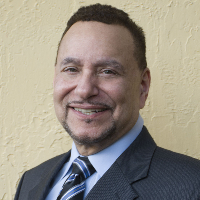
Florida · 30 yrs exp
LMHC and LMFT - stress, trauma, relationships
Stress, Anxiety · Addictions · Trauma and abuse · Grief · +14 more
Read profile
Minnesota · 25 yrs exp
LISW LCSW - stress and relationship work
Stress, Anxiety · Relationship · Trauma and abuse · Grief · +16 more
Read profile
Missouri · 3 yrs exp
LCPC LPC - Stress and addiction support
Stress, Anxiety · Addictions · Relationship · Family · +12 more
Read profile
Texas · 17 yrs exp
LPC in Texas - stress, relationships, addictions
Stress, Anxiety · Relationship · Grief · Self esteem · +12 more
Read profile
Minnesota · 10 yrs exp
LPCC - Stress, anxiety, trauma, relationships
Stress, Anxiety · Relationship · Trauma and abuse · Depression · +15 more
Read profile
Florida · 12 yrs exp
LMHC in Florida - stress and relationship concerns
Stress, Anxiety · Relationship · Family · Self esteem · +3 more
Read profileMen's issues is a broad term that covers emotional, social, and behavioral concerns that many men face at different stages of life. You might be looking for help with relationship strain, difficulties expressing emotion, anger or irritability, questions about identity and masculinity, work-related stress, struggles with parenting, or the aftermath of trauma. These concerns often interact - for example, unresolved anger can make it hard to connect with a partner, while identity questions can increase anxiety and reduce motivation at work. As you seek support, it helps to recognize that men's experiences are shaped by social expectations about strength, independence, and emotional restraint, which can make it harder to reach out for help or to describe what you are feeling.
Therapy for men's issues aims to give you a place to explore those pressures and the patterns they create. You will have the opportunity to examine how past experiences and current roles affect your behavior and relationships, to develop more flexible ways of coping, and to practice different communication strategies. You do not need to be in crisis to benefit - therapy can be a proactive way to work on personal growth, improve relationships, and learn practical skills for handling stress and transitions.
There are many signals that might indicate therapy would be helpful, and they are not always dramatic. You might notice frequent arguments with partners or family, increasing irritability, or an avoidance of intimate conversations because you are unsure how to express your needs. You may feel stuck in patterns like withdrawing when stressed or turning to substances or risky behaviors to numb difficult feelings. Persistent low mood, sleep disruptions, changes in appetite, or a sense that your life lacks direction are also signs that extra support could be useful.
Sometimes the signs are less about symptoms and more about outcomes - you may be achieving at work but feeling emotionally disconnected from loved ones, or you may be navigating a life transition such as becoming a parent, ending a relationship, or changing careers and find yourself questioning your identity and values. If you are curious about how you handle conflict, want to improve your relationships, or wish to manage anger and stress in healthier ways, therapy can help you take concrete steps toward those goals.
When you begin working with a therapist for men's issues, initial sessions typically focus on building rapport and understanding your goals. You can expect a conversation about what brought you to therapy, relevant history, and what you hope to change. Therapists vary in style - some may ask many questions to map the problem, while others may allow a more conversational flow - but the early phase is usually collaborative as you and your therapist shape a plan that fits your priorities.
Ongoing sessions often balance exploration and skill building. You may spend time exploring how past experiences and cultural messages about masculinity influence your current behavior, while also practicing concrete strategies such as emotional regulation, assertive communication, or conflict resolution. Homework or practice outside sessions is common, and it can include experimenting with different ways of talking with loved ones, tracking mood and triggers, or trying new behaviors in real-world situations. Progress may come in small steps - noticing a moment of self-awareness, having a calmer conversation, or choosing a different response in a triggering situation - and your therapist should help you recognize and build on those gains.
Session length and frequency vary based on your goals and preferences. Some people start with weekly sessions to build momentum and later move to biweekly check-ins. Short-term focused work can be effective for specific issues, while longer-term therapy may be helpful if you want to explore deeper patterns. Your therapist will typically collaborate with you to set an expected timeline and revisit it as your needs change.
Therapists bring different approaches to men's issues, and many combine techniques to match what you need. Cognitive behavioral approaches are often used to help you identify unhelpful thinking patterns and experiment with alternative responses. Psychodynamic-influenced work can help you explore how early relationships and internalized expectations shape your current behavior. Emotion-focused methods can be useful if your primary goal is to better recognize and express feelings, and narrative approaches can help you reframe the story you tell about yourself and your roles.
Some therapists include relationship-focused work, which looks at patterns between partners and helps you develop more constructive communication and conflict skills. Mindfulness-based strategies and stress-management techniques can assist with regulation when anxiety or anger are prominent. You may also find therapists who list solution-focused or skills-based approaches when your aim is to address a specific problem in a shorter time frame. When you read profiles, look for descriptions that align with whether you want exploratory work, skills training, or a blend of both. Remember that a therapist listing an approach does not guarantee a particular credential - it simply indicates an orientation they use in practice.
Online therapy has become a common option for addressing men's issues because it can increase access and convenience. If you choose to work remotely, sessions are typically held via video or phone, and many therapists offer text-based messaging for scheduling or brief check-ins. You should expect the therapist to explain how sessions will be conducted, what technology is used, and how to handle interruptions or emergencies. Online work can be especially helpful if you have a busy schedule, live outside urban centers, or prefer the comfort of speaking from your home or another familiar setting.
When choosing a therapist for men's issues, focus on the factors that matter most to you. Consider the therapist's stated focus areas and whether they mention working with the concerns you brought up. Look at the approaches they describe and think about whether you prefer structured skill-building or a more open-ended exploration. Credentials and years of experience with adult or relationship work can be informative, as can languages offered and any notes about populations they often work with. Read therapist profiles and introductory statements to get a sense of tone and values, and prioritize a match in communication style and perspective.
Practical considerations also matter. Think about session format, fee range, and whether the therapist lists insurance or sliding scale options. If you prefer online sessions, look for therapists who describe their telehealth process. If in-person work is important, check whether a therapist mentions a physical office or private space. Keep in mind that lists and profiles are starting points - you can often learn a lot from an initial consultation conversation about how a therapist approaches men's issues and whether their style feels like a good fit for you. Comparing focus areas, approaches, credentials, languages, and experience will help you make an informed choice that supports your goals.
Deciding to seek therapy is a personal step, and you get to set the pace. Whether you want short-term help with a specific challenge or longer-term support for deeper change, a therapist who lists men's issues among their specialties can offer targeted attention to the pressures and patterns that affect you. Use the listings above to explore profiles, read about approaches, and reach out to begin a conversation about the kind of change you want to make.
Alabama
20 therapists
Alaska
2 therapists
Arizona
16 therapists
Arkansas
8 therapists
California
147 therapists
Colorado
54 therapists
Connecticut
16 therapists
District of Columbia
2 therapists
Florida
153 therapists
Georgia
62 therapists
Hawaii
5 therapists
Idaho
8 therapists
Illinois
58 therapists
Indiana
27 therapists
Iowa
6 therapists
Kansas
13 therapists
Kentucky
17 therapists
Louisiana
20 therapists
Maine
2 therapists
Maryland
41 therapists
Massachusetts
28 therapists
Michigan
41 therapists
Minnesota
19 therapists
Mississippi
13 therapists
Missouri
38 therapists
Montana
5 therapists
Nebraska
9 therapists
Nevada
5 therapists
New Hampshire
4 therapists
New Jersey
38 therapists
New Mexico
6 therapists
New York
83 therapists
North Carolina
65 therapists
North Dakota
4 therapists
Ohio
45 therapists
Oklahoma
17 therapists
Oregon
17 therapists
Pennsylvania
45 therapists
Rhode Island
2 therapists
South Carolina
36 therapists
South Dakota
3 therapists
Tennessee
24 therapists
Texas
161 therapists
Utah
18 therapists
Vermont
3 therapists
Virginia
44 therapists
Washington
23 therapists
West Virginia
1 therapist
Wisconsin
20 therapists
Wyoming
3 therapists