
Dr. Daniella Jackson
LMHCFlorida · 20 yrs exp
LMHC in Florida - Addiction and relationship issues
Stress, Anxiety · Addictions · Relationship · Self esteem · +16 more
Read profileTherapist listings are provided by BetterHelp. We will earn a commission at no additional cost to you if you use our links to purchase.
If you are navigating immigration-related stress, trauma, or family separation, this page lists therapists who note immigration issues as a focus. Browse the profiles below to compare approaches, languages, and experience to find professionals who match your needs.
Florida · 20 yrs exp
LMHC in Florida - Addiction and relationship issues
Stress, Anxiety · Addictions · Relationship · Self esteem · +16 more
Read profile
Massachusetts · 23 yrs exp
MA LMHC - Addictions, Relationships, Trauma
Addictions · LGBT · Relationship · Intimacy-related issues · +12 more
Read profile
New York · 35 yrs exp
LCSW - Stress, Anxiety, ADHD, Relationships
Stress, Anxiety · Self esteem · Career · ADHD · +10 more
Read profile
Louisiana · 10 yrs exp
LPC in Louisiana focused on relationships and coping
Stress, Anxiety · Relationship · Family · Depression · +12 more
Read profile
Texas · 10 yrs exp
LPC in Texas focused on anxiety and relationships
Stress, Anxiety · Relationship · Family · Depression · +14 more
Read profile
Wisconsin · 11 yrs exp
Licensed Professional Counselor - stress and relationships
Stress, Anxiety · Family · Trauma and abuse · Depression · +12 more
Read profile
California · 20 yrs exp
LCSW focused on stress and relationships
Stress, Anxiety · Relationship · Family · Parenting · +15 more
Read profile
Missouri · 35 yrs exp
LCSW focused on trauma, mood, and life changes
Stress, Anxiety · Trauma and abuse · Anger · Bipolar · +13 more
Read profile
Oregon · 17 yrs exp
LMFT focusing on trauma, anxiety, and grief
Stress, Anxiety · Trauma and abuse · Grief · Intimacy-related issues · +1 more
Read profile
Michigan · 14 yrs exp
LICSW focusing on trauma and life changes
Stress, Anxiety · Addictions · Family · Trauma and abuse · +12 more
Read profile
North Dakota · 10 yrs exp
Licensed Clinical Social Worker - mood, trauma, family concerns
Stress, Anxiety · Relationship · Family · Trauma and abuse · +10 more
Read profile
Oklahoma · 9 yrs exp
LPC - Stress, mood, and relationship concerns
Stress, Anxiety · Anger · Self esteem · Coping with life changes · +16 more
Read profile
Massachusetts · 30 yrs exp
LMFT, LMHC - addictions, family, trauma
Addictions · Family · Trauma and abuse · Grief · +16 more
Read profile
New Mexico · 4 yrs exp
LCSW focused on relationship and mood concerns
Stress, Anxiety · Relationship · Trauma and abuse · Intimacy-related issues · +11 more
Read profile
Massachusetts · 27 yrs exp
LMHC in Massachusetts focusing on adult mental health
Stress, Anxiety · Relationship · Trauma and abuse · Grief · +12 more
Read profile
Ohio · 14 yrs exp
LIMFT focusing on anxiety, addiction, relationships
Stress, Anxiety · Addictions · Relationship · Family · +9 more
Read profile
Louisiana · 5 yrs exp
LPC, LMFT - stress and relationship focus
Stress, Anxiety · Relationship · Family · Grief · +15 more
Read profile
Illinois · 18 yrs exp
LCPC in Illinois - stress, trauma, addictions
Stress, Anxiety · Addictions · Trauma and abuse · Grief · +12 more
Read profile
North Carolina · 26 yrs exp
LCSW - stress, relationships, trauma
Stress, Anxiety · Relationship · Trauma and abuse · Depression · +5 more
Read profile
New York · 10 yrs exp
LMHC - Stress, Anxiety, Relationships
Stress, Anxiety · Relationship · Family · Trauma and abuse · +14 more
Read profile
Idaho · 11 yrs exp
LCSW focusing on anxiety and addiction
Stress, Anxiety · Addictions · LGBT · Depression · +16 more
Read profile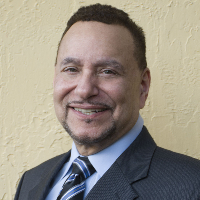
Florida · 30 yrs exp
LMHC and LMFT - stress, trauma, relationships
Stress, Anxiety · Addictions · Trauma and abuse · Grief · +14 more
Read profile
Minnesota · 25 yrs exp
LISW LCSW - stress and relationship work
Stress, Anxiety · Relationship · Trauma and abuse · Grief · +16 more
Read profile
Colorado · 8 yrs exp
LCSW helping people with anxiety and life changes
Stress, Anxiety · Relationship · Trauma and abuse · Grief · +16 more
Read profileImmigration issues cover a wide range of experiences that touch legal, social, emotional, and cultural areas of life. You may be dealing with the stress of a pending application, the shock of sudden relocation, the grief of family separation, or the long-term effects of past persecution and loss. These experiences often overlap - for example, adjusting to a new workplace culture can trigger anxiety, while uncertainty about legal status can intensify feelings of helplessness or depression. When your daily life is shaped by immigration-related events, it is normal for routines, relationships, and sense of identity to feel disrupted.
People who live through immigration-related transitions often report challenges that go beyond paperwork and logistics. You might find that language barriers create isolation, or that cultural differences make social connections more difficult. If you or your family have experienced trauma before, during, or after migration, those memories can be reactivated by seemingly small reminders. Therapy can help you make sense of these experiences so that they have less power over your daily functioning and your future plans.
If you are unsure whether therapy could help, pay attention to how immigration stress is affecting your functioning and wellbeing. Persistent sleep disruption, changes in appetite, increasing irritability, or a sense of being overwhelmed by paperwork and appointments are common signals that additional support may be useful. Emotional symptoms such as intrusive memories, intense anxiety about the future, prolonged sadness, or frequent panic reactions are also indicators that you might benefit from working with a therapist who understands immigration-related stressors.
Relationship strain is another important sign. You may notice increased conflict with partners or children, withdrawal from friends, or difficulties parenting while managing legal or financial uncertainty. If you are avoiding places or situations due to fear, or if you feel stuck making decisions because of immigration constraints, therapy can provide tools to manage fear and regain a clearer sense of agency. Therapy is not only for crises - it can help you build coping strategies, strengthen social supports, and plan practical steps while managing emotional responses.
During your first few sessions, a therapist will usually gather a broad picture of your immigration history, current stressors, and personal goals for therapy. You can expect to talk about practical matters like family composition, language needs, and day-to-day challenges, as well as emotional concerns such as anxiety, grief, or identity questions. The therapist will ask about your coping patterns and any prior therapy experiences so they can tailor their approach. This intake period is an opportunity for you to describe your priorities and to get a sense of how the therapist works.
As therapy progresses, sessions may alternate between processing difficult experiences and developing concrete coping skills. You might spend time exploring how migration has shaped your sense of self, practicing ways to manage anxiety when dealing with legal procedures, or learning communication strategies to reduce tension within your family. Many therapists integrate culturally responsive questions into sessions, asking about traditions, language, and values to ensure that recommendations fit your life. The pace and emphasis will depend on your immediate needs - some weeks you may focus on problem-solving; other weeks you may work through painful memories or grief.
Therapists use a variety of approaches when working with immigration issues, and you will often find practitioners who list several methods among their approaches. Cognitive-behavioral strategies are commonly used to help you identify and shift unhelpful thinking patterns that fuel anxiety or depression. Narrative therapy approaches invite you to explore how migration has influenced your personal story and to reframe your experience in ways that support resilience. Trauma-informed methods can help if you have memories of violence, persecution, or exploitation that interfere with day-to-day life.
Some therapists may include body-centered techniques to address the physical effects of stress, or family systems work to navigate shifting roles within households during relocation. Therapists who list EMDR among their approaches may offer that option for processing deeply distressing memories, while others emphasize culturally informed therapy to center your background and values in the healing process. It is helpful to review therapist profiles to see which approaches they list and to ask during an initial conversation how those approaches are applied in practice to immigration concerns.
Online therapy has become a common way to access mental health support, and it offers particular advantages for immigration-related care. You can connect with a clinician who understands your cultural background or language without being limited by geographic boundaries. This is useful if you live in an area with fewer specialized providers or if travel and scheduling make in-person sessions difficult. Many people appreciate the convenience of meeting from home, which can reduce logistical stress when you are juggling appointments, childcare, work, or legal consultations.
When you choose online therapy, consider practical questions such as whether the therapist offers sessions in your preferred language and how they handle documentation or referrals. Online sessions often follow a similar therapeutic rhythm to in-person work - intake conversations, goal-setting, skill-building, and reflective processing - but technology also allows for flexible scheduling and easier integration with other virtual resources. If you are working across borders, be aware of licensing and regulatory differences that affect where a therapist can legally provide services. Reviewing profile details and asking about cross-jurisdictional care during your initial exchange will help you understand how online therapy will function for your situation.
Begin by identifying what matters most to you - language compatibility, cultural familiarity, experience with trauma, family systems work, or approaches that emphasize practical coping skills. Look for therapists who list immigration issues as a focus and who describe approaches that resonate with your needs. You can pay attention to whether they mention work with families, adolescents, or adults, and what languages they list in their profiles. These details can help you narrow your search before you reach out.
When you contact a therapist, it is reasonable to ask about how they work with immigration-related concerns, what kinds of approaches they use, and how they integrate cultural and legal context into sessions. You can also inquire about session length and how to handle urgent needs between sessions. Trust your instincts about rapport - the relationship with your therapist will often be one of the most important factors in making progress. If a particular therapist's style does not feel like a fit, it is okay to continue searching until you find someone whose approach and communication align with your goals. Therapy can be a practical and emotional resource as you navigate immigration challenges, and choosing a therapist who understands the complexity of your experience can make the process more manageable.
Alabama
20 therapists
Alaska
2 therapists
Arizona
16 therapists
Arkansas
8 therapists
California
147 therapists
Colorado
54 therapists
Connecticut
16 therapists
District of Columbia
2 therapists
Florida
153 therapists
Georgia
62 therapists
Hawaii
5 therapists
Idaho
8 therapists
Illinois
58 therapists
Indiana
27 therapists
Iowa
6 therapists
Kansas
13 therapists
Kentucky
17 therapists
Louisiana
20 therapists
Maine
2 therapists
Maryland
41 therapists
Massachusetts
28 therapists
Michigan
41 therapists
Minnesota
19 therapists
Mississippi
13 therapists
Missouri
38 therapists
Montana
5 therapists
Nebraska
9 therapists
Nevada
5 therapists
New Hampshire
4 therapists
New Jersey
38 therapists
New Mexico
6 therapists
New York
83 therapists
North Carolina
65 therapists
North Dakota
4 therapists
Ohio
45 therapists
Oklahoma
17 therapists
Oregon
17 therapists
Pennsylvania
45 therapists
Rhode Island
2 therapists
South Carolina
36 therapists
South Dakota
3 therapists
Tennessee
24 therapists
Texas
161 therapists
Utah
18 therapists
Vermont
3 therapists
Virginia
44 therapists
Washington
23 therapists
West Virginia
1 therapist
Wisconsin
20 therapists
Wyoming
3 therapists