
Dr. Daniella Jackson
LMHCFlorida · 20 yrs exp
LMHC in Florida - Addiction and relationship issues
Stress, Anxiety · Addictions · Relationship · Self esteem · +16 more
Read profileTherapist listings are provided by BetterHelp. We will earn a commission at no additional cost to you if you use our links to purchase.
Explore therapists who focus on Money and Financial Issues, including concerns about debt, spending patterns, financial anxiety, and couples money conflicts. Browse the listings below to review approaches, credentials, languages, and areas of focus that match your needs.
Florida · 20 yrs exp
LMHC in Florida - Addiction and relationship issues
Stress, Anxiety · Addictions · Relationship · Self esteem · +16 more
Read profile
Massachusetts · 23 yrs exp
MA LMHC - Addictions, Relationships, Trauma
Addictions · LGBT · Relationship · Intimacy-related issues · +12 more
Read profile
North Carolina · 16 yrs exp
Dr. Christina Collins LCMHC - relationship and emotional concerns
Stress, Anxiety · Relationship · Trauma and abuse · Grief · +7 more
Read profile
Pennsylvania · 12 yrs exp
LPCC LMHC focusing on mood and relationships
Stress, Anxiety · Relationship · Self esteem · Depression · +11 more
Read profile
Texas · 10 yrs exp
LPC in Texas focused on anxiety and relationships
Stress, Anxiety · Relationship · Family · Depression · +14 more
Read profile
Colorado · 11 yrs exp
LPC focusing on anxiety and life transitions
Stress, Anxiety · LGBT · Trauma and abuse · Anger · +15 more
Read profile
Florida · 30 yrs exp
FL Psychologist - stress, anxiety, relationships
Stress, Anxiety · Grief · Anger · Depression · +15 more
Read profile
Wisconsin · 11 yrs exp
Licensed Professional Counselor - stress and relationships
Stress, Anxiety · Family · Trauma and abuse · Depression · +12 more
Read profile
Texas · 20 yrs exp
LICSW LCSW - Stress anxiety and addiction work
Stress, Anxiety · Addictions · Family · Grief · +15 more
Read profile
South Carolina · 20 yrs exp
LISW focusing on eating and life changes
Stress, Anxiety · Relationship · Eating · Self esteem · +10 more
Read profile
Colorado · 13 yrs exp
LMFT in Colorado - stress, trauma, relationships
Stress, Anxiety · LGBT · Relationship · Trauma and abuse · +10 more
Read profile
Michigan · 14 yrs exp
LICSW focusing on trauma and life changes
Stress, Anxiety · Addictions · Family · Trauma and abuse · +12 more
Read profile
North Dakota · 10 yrs exp
Licensed Clinical Social Worker - mood, trauma, family concerns
Stress, Anxiety · Relationship · Family · Trauma and abuse · +10 more
Read profile
Oklahoma · 9 yrs exp
LPC - Stress, mood, and relationship concerns
Stress, Anxiety · Anger · Self esteem · Coping with life changes · +16 more
Read profile
Florida · 35 yrs exp
LMHC in Florida - Stress, mood, and relationship concerns
Stress, Anxiety · Family · Grief · Eating · +16 more
Read profile
Wisconsin · 20 yrs exp
Licensed Professional Counselor - stress and anxiety
Stress, Anxiety · Self esteem · Career · Depression · +2 more
Read profile
Idaho · 18 yrs exp
LCSW focused on anxiety, trauma, and coping
Stress, Anxiety · Trauma and abuse · Grief · Self esteem · +10 more
Read profile
Indiana · 35 yrs exp
LCSW focusing on mood and life changes
Stress, Anxiety · Grief · Self esteem · Depression · +4 more
Read profile
Illinois · 30 yrs exp
Deborah Beard, LCPC - Stress and mood concerns
Stress, Anxiety · Relationship · Family · Trauma and abuse · +12 more
Read profile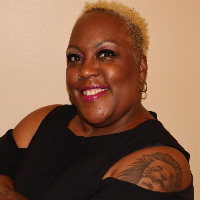
Michigan · 15 yrs exp
LMSW, LISW - stress, trauma, relationship concerns
Stress, Anxiety · Trauma and abuse · Grief · Depression · +11 more
Read profile
New Mexico · 4 yrs exp
LCSW focused on relationship and mood concerns
Stress, Anxiety · Relationship · Trauma and abuse · Intimacy-related issues · +11 more
Read profile
Washington · 50 yrs exp
LMHC focused on trauma and resilience
Stress, Anxiety · Trauma and abuse · Intimacy-related issues · Self esteem · +15 more
Read profile
Illinois · 18 yrs exp
LCPC focused on addictions and relationships
Stress, Anxiety · Addictions · Trauma and abuse · Anger · +12 more
Read profile
Massachusetts · 27 yrs exp
LMHC in Massachusetts focusing on adult mental health
Stress, Anxiety · Relationship · Trauma and abuse · Grief · +12 more
Read profileMoney and financial issues cover a wide range of patterns and stressors that go beyond dollars and cents. They include chronic worry about income, anxiety around bills and debt, impulsive spending, difficulty saving, financial conflict with a partner, and identity or shame tied to money decisions. These concerns can shape the way you make choices, how you relate to others, and even how you see your future. For many people, financial stress becomes intertwined with work stress, family obligations, and emotional triggers that can feel overwhelming.
When financial concerns become persistent, they often influence daily routines and mental bandwidth. You may find yourself avoiding certain conversations, procrastinating on bookkeeping, or experiencing sleepless nights while thinking about money. Those impacts can make it harder to plan, to take small steps toward change, and to maintain relationships. Addressing money and financial issues in therapy is about more than creating a budget - it is about exploring the beliefs, habits, and emotions that shape your financial life and finding strategies that fit your values and goals.
There are several signals that money concerns are having a meaningful effect on your well-being. If you notice persistent anxiety about bills or debt that interferes with work or sleep, that is a clear sign. Repeated arguments with a partner about money, avoidance of conversations about finances, or secrecy around spending are also indicators that the issue extends beyond simple financial management. You may observe patterns like impulsive purchases followed by regret, chronic under-saving, or a cycle of unstable employment and financial strain that feels hard to break.
Emotional responses such as shame, guilt, or a sense of helplessness around money are common reasons people seek help. If your money habits are connected to past trauma, family messages about money, or cultural expectations, therapy can provide a space to untangle those influences and build new strategies. Even if your financial situation is not urgent, therapy can help you change long-standing patterns, improve communication with loved ones about resources, and reduce the daily mental load that money management often creates.
When you begin sessions that focus on money and financial issues, you can expect an initial period of assessment where you and the therapist map out the most pressing concerns and your broader goals. That conversation typically covers practical matters such as current financial stressors, patterns of spending and saving, and the emotional reactions you have to money. The therapist may ask questions about family history with money, cultural beliefs, and specific conflicts in relationships to build a fuller picture.
Ongoing sessions blend emotional processing with skills-based work. You might explore the beliefs that drive your financial behavior, practice new communication strategies for talking about money with a partner, and set incremental goals that change habits without creating overwhelm. Some sessions emphasize cognitive approaches to shift worry and avoidance, while others may focus on behavior - experimenting with practical routines like daily tracking, plan-making, or short-term spending rules. Therapists often collaborate with other professionals, such as financial counselors or planners, to address technical financial needs while keeping therapy focused on the psychological and relational elements.
A variety of therapeutic approaches can be applied to money and financial issues. Cognitive-behavioral techniques are commonly used to help you identify and reframe thoughts that lead to anxiety or impulsive spending, and to develop step-by-step behavior changes. Emotion-focused work can help you understand how feelings such as shame or scarcity influence choices and relationships. Psychodynamic perspectives often explore how early life experiences and family messages about money shape adult patterns.
There are therapists who list narrative approaches among their methods to help you rewrite the money stories that feel limiting. Some providers note acceptance-based or mindfulness-oriented approaches that teach you to observe financial worry without being driven by it, which can be useful for managing panic or compulsive behavior. There are also clinicians who include couples or family approaches when money is a source of conflict in relationships. When you read therapist profiles, look for descriptions that explain how the clinician integrates practical skill-building with emotional exploration, and for phrasing such as "therapists who list CBT among their approaches" when modalities are mentioned.
Online therapy brings flexibility and access to clinicians who specialize in money and financial issues even if you live outside major metro areas. Sessions are typically conducted via video or phone, allowing you to work on practical tasks during or between meetings, such as reviewing budgets or practicing conversations with a partner. Online formats also make it easier to integrate work with other supports - for example, coordinating a session after a meeting with a financial advisor or sharing resources electronically. Many find that the convenience of remote sessions removes logistical barriers and helps maintain momentum over time.
When selecting a therapist, focus on fit rather than labels. Read profiles to understand a clinician's focus areas - for instance, whether they emphasize debt-related distress, money-related anxiety, spending behaviors, or relationship conflict about finances. Pay attention to the approaches the therapist mentions and note language such as "therapists who list EMDR among their approaches" if you are interested in specific modalities. Consider the therapist's background in working with couples, family dynamics, trauma, or behavioral change depending on your needs.
Other practical factors include credentials and professional licensure, which indicate formal training in mental health care, and any languages a therapist offers that match your comfort level. Experience working with populations or life stages similar to yours - such as young professionals, parents, or retirees - can also be helpful. Think about the kind of therapeutic relationship you prefer - whether you want a directive, skills-focused approach or a more exploratory process. If you plan to coordinate with financial planners or credit counselors, look for clinicians who describe collaboration with other professionals. Finally, trust your sense of whether a therapist's description resonates with your values and the changes you want to make.
Money and financial issues are common and often complex, but they are also addressable through reflective work and practical strategy. Therapy offers a chance to change the emotional patterns that influence your financial decisions, improve conversations with partners or family members, and build habits that reflect your priorities. Whether you are looking to reduce anxiety, resolve conflict, or create a more intentional financial plan, the right clinician can help you translate insight into sustainable action.
Use the listings above to compare therapists by focus, approach, credentials, languages, and areas of experience. With thoughtful selection and steady work, you can reshape the ways money functions in your life and align financial choices with the life you want to create.
Alabama
20 therapists
Alaska
2 therapists
Arizona
16 therapists
Arkansas
8 therapists
California
147 therapists
Colorado
54 therapists
Connecticut
16 therapists
District of Columbia
2 therapists
Florida
153 therapists
Georgia
62 therapists
Hawaii
5 therapists
Idaho
8 therapists
Illinois
58 therapists
Indiana
27 therapists
Iowa
6 therapists
Kansas
13 therapists
Kentucky
17 therapists
Louisiana
20 therapists
Maine
2 therapists
Maryland
41 therapists
Massachusetts
28 therapists
Michigan
41 therapists
Minnesota
19 therapists
Mississippi
13 therapists
Missouri
38 therapists
Montana
5 therapists
Nebraska
9 therapists
Nevada
5 therapists
New Hampshire
4 therapists
New Jersey
38 therapists
New Mexico
6 therapists
New York
83 therapists
North Carolina
65 therapists
North Dakota
4 therapists
Ohio
45 therapists
Oklahoma
17 therapists
Oregon
17 therapists
Pennsylvania
45 therapists
Rhode Island
2 therapists
South Carolina
36 therapists
South Dakota
3 therapists
Tennessee
24 therapists
Texas
161 therapists
Utah
18 therapists
Vermont
3 therapists
Virginia
44 therapists
Washington
23 therapists
West Virginia
1 therapist
Wisconsin
20 therapists
Wyoming
3 therapists