01
- CBT techniques
- Attachment focus
- Strengths based
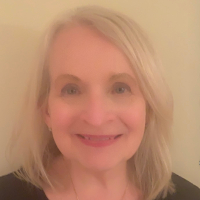
About Deborah
Deborah Beard, LCPC, is licensed in Illinois and has 30 years of clinical experience. She works with people dealing with stress, anxiety, depression, trauma and abuse, relationship and intimacy issues, parenting concerns, addictions, grief, and career or self-esteem struggles. She describes her work as focusing on strengths and using practical counseling tools to help clients make the changes they want.
Beard earned a Master of Science in Family Therapy in 1996 and has a background that includes time as a human resources manager and a professor of education. That career mix contributes hands-on skills for problem solving and communication. Her clinical work has been provided in public and private mental health settings, with many clients seeking help for mood disorders and trauma recovery.
Her approach draws on several methods. She uses Cognitive Behavioral Therapy (CBT) techniques to address thoughts and behaviors. She also integrates Acceptance and Commitment Therapy (ACT), Attachment-Based ideas, Client-Centered methods, and Dialectical Behavior Therapy (DBT) strategies as appropriate.
Beard notes that clients’ faith and moral values can be part of the work when they want that. She emphasizes building on strengths and offering direct tools for change. The overall aim is practical progress rather than abstract theory.
People considering counseling are invited to complete a short matching questionnaire and schedule an initial session. Sessions use a subscription model that can be canceled at any time. International clients may be served, and sessions are offered in English.
02
How Deborah Beard uses ACT, CBT and attachment work online
Acceptance and Commitment Therapy (ACT) helps people notice unhelpful thoughts and commit to values-based actions. It is often used for anxiety, depression, and stress when the goal is clearer priorities and more consistent action.Cognitive Behavioral Therapy (CBT) focuses on the links between thoughts, feelings, and behaviors. It involves specific exercises and practical skills to change patterns that maintain anxiety, low mood, or unhealthy habits.
Attachment-Based approaches look at relationship patterns and how early bonds affect current trust and intimacy. This work can help with communication, relationship strain, and intimacy-related concerns.
Finding the best approach is collaborative. The therapist will discuss goals, preferences, and what methods feel useful. Treatment can be adjusted over time based on what helps most.
Confirm the exact session formats before booking so you know how sessions are delivered. Many people find online sessions fit into a workday or a caregiving schedule more easily. Online work also makes it simpler to follow up on homework, use short check-ins, or avoid travel time. Licensed professionals can adapt ACT, CBT, and attachment exercises to a remote setting to focus on skills, emotion work, and practical problem solving.
03
Areas of expertise
Primary focus
Also works with
Additional focus areas
Therapeutic approaches
Experience
30+ years
Listed in
Illinois
Languages
English
04
Frequently asked questions
What concerns does she address?
She works with stress, anxiety, depression, trauma and abuse, relationship and intimacy matters, addictions, grief, parenting, and related areas.
What is her therapeutic style?
She draws on Cognitive Behavioral Therapy, Acceptance and Commitment Therapy, Attachment-Based approaches, Client-Centered work, and Dialectical Behavior Therapy as appropriate.
How long has she practiced?
She has 30 years of experience in clinical roles and related positions such as human resources and teaching.
Where is she licensed?
She is an Illinois Licensed Clinical Professional Counselor (LCPC) and practices from Illinois.
Which languages are supported?
Sessions are offered in English and international clients are accepted.
What session formats are available?
Confirm current session options before booking by checking the platform details and scheduling steps.
How much do sessions cost?
Cost varies with location and sessions use a subscription that can be canceled at any time.
How do I begin working with her?
Select the See online therapy options button, complete a short matching questionnaire, and schedule a first session.
Online talk therapy is not emergency care. If you are in danger, call 911, or call or text 988.