01
- Stress and anxiety
- Relationship issues
- Trauma and grief
About Sung
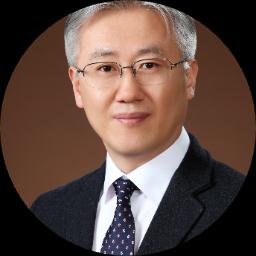
Dr. Sung Ho Kim, NY Psychoanalyst 000245, is licensed in New York and has 30 years of clinical experience. He works with stress, anxiety, relationship issues, trauma and abuse, grief, and depression using approaches he lists such as Acceptance and Commitment Therapy and Cognitive Behavioral Therapy. Sessions are offered in English and Korean and international clients are accepted.
Dr. Kim frames his work around helping people talk through difficult feelings and practical problems. He says he uses a mix of methods to match what a person needs. Typical concerns he addresses include abandonment, attachment issues, body image, caregiver stress, chronic illness, and commitment issues.
In sessions he focuses on clear, stepwise ways to manage symptoms and improve day-to-day functioning. He brings psychoanalytic experience alongside more directive techniques like CBT and DBT when appropriate. This lets him both look at long-standing patterns and teach concrete skills for coping.
He describes client-centered work as part of his practice, meaning sessions attend to each person's perspective and goals. Attachment-based ideas guide his work on relationships and patterns that began earlier in life. Acceptance and Commitment Therapy is used to help people act in line with values despite hard feelings.
Dr. Kim has worked with adults across many life stages and with a broad range of clinical concerns. He highlights multicultural sensitivity and offers therapy in English and Korean. To begin, readers are asked to use the site's matching and scheduling flow before booking a first session.
02
How his approaches translate to online work
Acceptance and Commitment Therapy (ACT) helps people clarify what matters to them and take actions in line with those values despite difficult thoughts or feelings. It is useful for anxiety, depression, and stress when motivation or direction is a concern. Attachment-Based Therapy looks at patterns in close relationships and how early experiences shape expectations and reactions. It is often used for relationship problems and attachment issues. Client-Centered Therapy centers on the person's perspective and goals, with the therapist listening closely and supporting the person's own problem solving.Choosing the right approach is part of the work. He will discuss options and adapt methods based on the client's needs, goals, and preferences. That collaborative process may include combining approaches to address patterns and teach skills.
The practical benefits of doing therapy remotely often include easier scheduling and fitting sessions into a regular day. Confirm the current session options before booking since specific formats are not listed here. Online sessions can make it simpler to keep appointments around work or caregiving demands, shorten commute time, and allow people to continue therapy while traveling or living abroad.
03
Areas of expertise
Primary focus
Additional focus areas
Therapeutic approaches
Experience
30+ years
Listed in
New York
Languages
English, Korean
04
Frequently asked questions
What issues does he treat?
He works on stress, anxiety, relationship concerns, trauma and abuse, grief, and depression, plus related topics such as attachment and caregiver stress.
What is his therapeutic style?
He describes an integrative approach that combines psychoanalytic perspectives with practical methods like CBT and DBT to address both patterns and skills.
How long has he been practicing?
He has 30 years of clinical experience in mental health and psychoanalytic work.
Where is he licensed?
He is a New York psychoanalyst and practices in New York.
Which languages are sessions offered in?
Sessions are offered in English and Korean.
Can international clients work with him?
Yes, he accepts international clients.
How are sessions scheduled and paid for?
Cost varies with location and sessions use a subscription that can be canceled at any time.
How do I begin the process?
Select the See online therapy options button, complete the short matching questionnaire, and schedule a first session through the site.
Online talk therapy is not emergency care. If you are in danger, call 911, or call or text 988.