01
- Addictions
- Trauma recovery
- CBT and ACT
About Jerrilynn
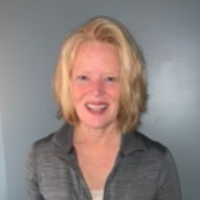
Jerrilynn Pratt-Mullen, LMHC, holds licenses in Florida and New York and has ten years of clinical experience. She focuses on addictions, trauma and abuse, grief, mood concerns, anxiety, relationship and intimacy-related issues, ADHD, and related areas. She describes her approach as helping people listen to their own intuition and change the self-talk and stories that keep them stuck.
Pratt-Mullen uses practical talk therapy and evidence-informed methods to address symptoms and underlying causes. She helps people recognize how past conditioning and stress responses shape current behavior. Sessions often include work on self-understanding, accountability, and coping strategies rather than only symptom management.
Her background includes training in several clinical approaches such as Cognitive Behavioral Therapy, Dialectical Behavior Therapy, Acceptance and Commitment Therapy, Attachment-Based Therapy, and Client-Centered Therapy. She draws on those models to help people learn skills, shift beliefs, and practice new patterns of thinking and behaving.
She also supports people dealing with addiction patterns, codependency, boundary setting, grief processing, and career or relationship concerns. The work aims to reduce repeating destructive behaviors and increase self-direction and functioning.
Pratt-Mullen encourages active participation during sessions. She asks questions, offers reflective listening, and guides clients through exercises that address thought patterns and emotional responses. Her stated goal is to help clients move from reactive coping toward clearer choices and renewed purpose.
02
Therapeutic approaches used in remote sessions
Acceptance and Commitment Therapy teaches practical skills to notice thoughts and commit to actions that reflect personal values. It can help with anxiety, depression, and making consistent life changes.Cognitive Behavioral Therapy focuses on changing unhelpful thoughts and behaviors through structured exercises and homework. It is often used for mood disorders, anxiety, and managing addictive patterns.
Attachment-Based Therapy looks at how early relationships influence current bonds and emotional reactions. It can be useful for intimacy issues, attachment concerns, and relationship patterns.
The therapist will work collaboratively to find the best approach based on a client's goals and preferences. She will discuss options and adjust methods as therapy progresses to match needs and realistic goals.
Confirm the available session formats before booking since the biography does not specify them. Online work can make it easier to fit sessions into a busy schedule, allow shorter check-ins when needed, and reduce travel time. Discuss format preferences when scheduling to plan sessions that fit day-to-day life.
03
Areas of expertise
Primary focus
Also works with
Additional focus areas
Therapeutic approaches
Experience
10+ years
Listed in
New York, Florida
Languages
English
04
Frequently asked questions
What issues does she address?
She works with addictions, trauma and abuse, grief, depression, anxiety, relationship and intimacy concerns, ADHD, and many related issues listed in her specialties.
What is her therapeutic style?
She uses a practical talk-therapy style that focuses on changing self-talk and coping patterns. She incorporates evidence-informed methods to teach skills and shift beliefs.
How long has she practiced?
She has ten years of clinical experience.
Where is she licensed and based?
She is a Licensed Mental Health Counselor, LMHC, licensed in Florida and New York and practices from Florida.
In which language are sessions offered?
Sessions are offered in English.
Does she work with international clients?
She does not accept international clients at this time.
How are sessions paid for?
Cost varies with location and sessions use a subscription model that can be canceled at any time.
How do I begin the process?
Select the See online therapy options button, complete the short matching questionnaire, and schedule a first session.
Online talk therapy is not emergency care. If you are in danger, call 911, or call or text 988.