01
- Stress and anxiety
- Relationship communication
- Mood disorders
About Cory
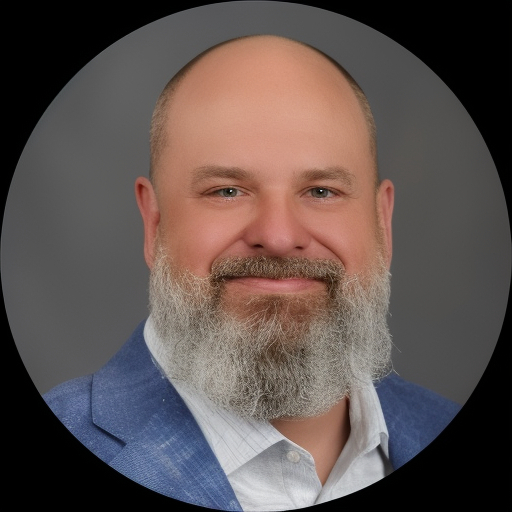
Cory Martin, Licensed Professional Counselor (LPC) in Texas, has eight years of clinical experience. He focuses on stress, anxiety, relationship difficulties, career transitions, bipolar disorder, and coping with life changes. He also addresses concerns such as abandonment, adoption and foster care issues, attachment problems, and divorce and separation.
Cory describes his style as collaborative. He helps people build clearer communication skills and stronger coping strategies. Sessions emphasize developing self-understanding and practical tools for everyday problems.
He works with men, veterans, young adults, and people experiencing mood disorders or social anxiety. He talks through patterns that can make daily life harder and helps clients try different ways of responding. He uses evidence-based therapeutic techniques to guide those efforts.
Cory is direct in session and focuses on skills people can use between meetings. He addresses relationship concerns including communication problems, commitment and control issues, and codependency. He also supports people navigating career stress and major life transitions.
He attends to less common concerns too, such as BDSM, kink, and alternative sex culture, dissociation, antisocial personality features, blended family questions, and caregiver stress. Sessions aim to identify practical steps and reduce immediate sources of distress.
02
Evidence-based approaches and online care
Two evidence-based techniques commonly used to address stress and mood disorders are cognitive restructuring and skills training. Cognitive restructuring helps identify and reframe unhelpful thoughts that increase anxiety or depression. Skills training focuses on concrete practices such as communication techniques, emotional regulation, and problem-solving to improve daily functioning.Behavioral activation is another practical approach often used for mood concerns. It encourages small, manageable activities that can increase positive reinforcement and reduce withdrawal. These approaches are intended to be straightforward and focused on changes people can try between sessions.
Finding the right approach is part of the work. The therapist will collaborate with each person to decide which techniques fit their goals and preferences. That process includes trying methods, checking what helps, and adjusting plans as needed.
Session logistics should be confirmed before booking because the biography does not list specific online formats. Online therapy can make it easier to fit sessions into a busy week and reduce travel time. It also allows shorter check-ins when schedules are tight and offers options that can match different technical or scheduling needs. Confirm the exact session format and scheduling details when you arrange your first appointment.
03
Areas of expertise
Primary focus
Additional focus areas
Experience
8+ years
Listed in
Texas
Languages
English
04
Frequently asked questions
What concerns does he address?
He focuses on stress, anxiety, relationship issues, career transitions, bipolar disorder, and coping with life changes. Additional topics include abandonment, attachment issues, and divorce and separation.
How does he approach therapy?
He uses a collaborative, skills-focused approach. Sessions emphasize communication skill building, self-understanding, and practical coping strategies.
How much clinical experience does he have?
He has eight years of experience in clinical practice. That time includes working with mood disorders and social anxiety.
What are his credentials and where is he licensed?
He is a Licensed Professional Counselor, LPC, licensed in Texas. His practice is based in Texas.
Which languages are supported in sessions?
Sessions are offered in English. International clients are not currently accepted.
What session formats are offered?
The original biography does not list specific session formats. Please confirm current session options before booking.
How are fees handled?
Cost varies with location and sessions use a subscription that can be canceled at any time. Exact pricing is provided when you select a plan.
How do I begin working with him?
Begin by selecting the See online therapy options button, completing a short matching questionnaire, and scheduling a first session. That process will guide next steps.
Online talk therapy is not emergency care. If you are in danger, call 911, or call or text 988.