01
- Acceptance and Commitment Therapy
- Cognitive Behavioral Therapy
- Emotionally-Focused Therapy
About Betsy
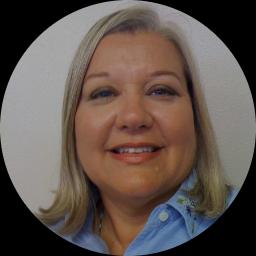
Dr. Betsy Puentes, LMFT, LPC, is licensed in Texas and has 46 years of clinical experience. She works on stress, anxiety, depression, low self-esteem, career concerns, addictions, relationship issues, trauma and anger. She describes her role as helping people use their own strengths to resolve the challenges they face.
Dr. Puentes approaches therapy as a collaborative effort. She uses Acceptance and Commitment Therapy (ACT), Cognitive Behavioral Therapy (CBT), Emotionally-Focused Therapy (EFT), Existential Therapy, and Imago Relationship Therapy. Sessions focus on practical steps, problem solving, and noticing patterns that get in the way.
She helps people talk through life changes and coping strategies. That includes support with grief, caregiving stress, chronic illness, and aging concerns. She also addresses attachment and abandonment issues, codependency, and communication difficulties.
Her work includes attention to sexual orientation and LGBT concerns. She lists specific clinical focuses such as body image, commitment and control issues, and disruptive mood regulation concerns. She also notes experience with reactions to disasters and traumatic events.
Dr. Puentes values the client's perspective and strengths. She emphasizes small, concrete steps and practical exercises in sessions. The overall aim is clearer thinking, steadier mood, and better coping skills.
02
How her approaches translate to online work
Acceptance and Commitment Therapy (ACT) helps people notice difficult thoughts and choose actions that match their values. It is useful for anxiety, stress, and life changes by focusing on small, value-driven steps.Cognitive Behavioral Therapy (CBT) identifies thoughts and behaviors that keep problems going and uses concrete exercises to change them. It is often used for depression, anxiety, and low self-esteem because it gives practical tools to try between sessions.
Emotionally-Focused Therapy (EFT) focuses on emotions and patterns in close relationships. It helps people understand emotional responses and improve emotional connection and communication.
Finding the right approach is part of the work. The therapist will discuss goals, needs, and preferences and together decide which methods to use. That process is collaborative and may shift as issues change.
Confirm current session options before booking. The practical benefits of remote sessions include fitting therapy into a busy day, shorter check-ins when needed, and easier attendance when travel is difficult. Licensed professionals can adapt exercises, homework, and in-session work to a remote format, while helping clients keep therapy aligned with everyday life.
03
Areas of expertise
Primary focus
Also works with
Additional focus areas
Therapeutic approaches
Experience
46+ years
Listed in
Texas
Languages
English
04
Frequently asked questions
What concerns does she work on?
She addresses stress, anxiety, depression, self-esteem, career issues, addictions, relationship and trauma concerns, and anger.
What is her therapeutic style?
She uses a collaborative approach drawing on ACT, CBT, EFT, existential and Imago methods to focus on practical steps and noticing unhelpful patterns.
How much clinical experience does she have?
She has 46 years of professional work experience in mental health.
Which credentials and licensure does she hold?
She holds the credentials LMFT and LPC and is licensed in Texas as TX LMFT and TX LPC.
In which language are sessions offered?
Sessions are offered in English.
Can international clients work with her?
She is not currently accepting international clients.
How are sessions arranged and what do they cost?
Cost varies by location and sessions use a subscription that can be canceled at any time.
How do I begin working with her?
Select the See online therapy options button, complete a short matching questionnaire, and schedule a first session.
Online talk therapy is not emergency care. If you are in danger, call 911, or call or text 988.