01
- CBT methods
- DBT skills
- Mindfulness practice
About Amanda
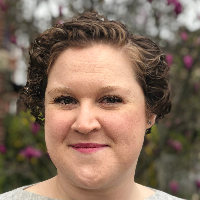
Amanda Vaughan, MA LMHC, is a Licensed Mental Health Counselor practicing in Massachusetts with 13 years of clinical experience. She focuses on stress, anxiety, depression, relationship concerns, trauma and abuse, addiction issues, grief, intimacy-related problems, parenting concerns, and compassion fatigue. Amanda describes her approach as direct and client-centered, and she uses mindfulness alongside cognitive and behavioral methods to build practical coping skills.
Amanda has worked in crisis intervention, group therapy, and intensive treatment settings. She uses Cognitive Behavioral Therapy and Dialectical Behavior Therapy approaches to address thinking patterns, emotional regulation, and behavioral change. She also draws on existential ideas to help people clarify values and make meaningful choices.
Her style combines straightforward feedback with a client-centered attitude. Sessions often include learning and practicing coping skills such as mindfulness and DBT-based emotion regulation. She also addresses relational patterns, attachment issues, and family of origin dynamics when relevant.
Amanda lists additional focus areas including body image, codependency, communication problems, blended family issues, fatherhood issues, BDSM and kink identities, gender dysphoria, and substance use concerns. She works with a range of intimate and identity-related matters alongside mood and stress disorders.
Her background in several intensive settings informs a practical approach to treatment. She aims to help people build skills that fit into daily life and to clarify steps forward after crisis or during major life changes.
02
How Amanda applies common approaches in online work
Amanda uses Cognitive Behavioral Therapy to identify and change unhelpful thought patterns and behaviors. CBT helps with anxiety, depression, and specific habits by breaking problems into manageable steps.She also employs Dialectical Behavior Therapy skills for emotional regulation and distress tolerance. DBT skills can help people manage intense emotions and improve communication in relationships.
Mindfulness practices are taught to increase moment-to-moment awareness and to support other coping strategies. These can be brief exercises to practice between sessions and help reduce reactivity.
Choosing the right approach is part of the therapeutic process. Amanda collaborates with each person to match methods to their needs, goals, and preferences. She adjusts techniques over time based on what is working and what is not.
Confirm the current session options before booking, as formats are not specified here. Online sessions can make it easier to fit therapy into a busy life by reducing travel time and allowing shorter check-ins when needed. Some people find remote sessions help them maintain consistency and integrate skills into everyday routines.
03
Areas of expertise
Primary focus
Also works with
Additional focus areas
Therapeutic approaches
Experience
13+ years
Listed in
Massachusetts
Languages
English
04
Frequently asked questions
What concerns does she address?
Amanda works with stress, anxiety, depression, relationship and intimacy issues, trauma and abuse, addictions, grief, parenting concerns, and compassion fatigue.
How would you describe her therapy style?
Her style is direct and client-centered. She uses clear feedback and practical skill teaching in sessions.
How much experience does she have?
She has 13 years of experience in mental health counseling, crisis intervention, group therapy, and intensive treatment settings.
What are her credentials and where does she practice?
She holds an MA and is licensed as an LMHC in Massachusetts.
Does she offer sessions in languages other than English?
Sessions are offered in English.
Can international clients work with her?
She does not accept international clients.
How are session costs handled?
Cost varies with location. Sessions use a subscription that can be canceled at any time.
What steps should I take to begin?
Select the See online therapy options button, complete a short matching questionnaire, and schedule a first session.
Online talk therapy is not emergency care. If you are in danger, call 911, or call or text 988.