01
- CBT techniques
- Client-centered work
- Homework driven
About Tamra
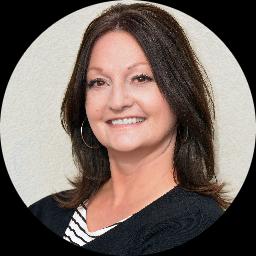
Tamra Priestley, Licensed Clinical Mental Health Counselor (LCMHC) in Utah, has eight years of practice experience helping people with stress, anxiety, relationships, trauma and abuse, self-esteem, depression, and related concerns. She also frames some work as life coaching focused on self-mastery and relationship skills. Tamra describes her approach as practical skill-building that starts with learning to relate to yourself differently and then to others.
Tamra uses hands-on techniques and homework to help clients build new habits outside of sessions. She names skill learning as a core part of therapy, including tools to manage anxiety, lift motivation, and address depression. She also works with people affected by trauma and abuse and aims to support recovery of confidence and motivation.
Her background includes time in three private practices and work providing services to employees at a company, including first responders and law enforcement staff and their families. She has experience with end-of-life issues among older adults. Personal experience as a single parent, and with adoption and divorce, informs how she applies clinical methods in practical ways.
Tamra lists several clinical approaches she draws on, such as client-centered work, cognitive behavioral techniques, dialectical behavior ideas, emotionally-focused methods, and existential perspectives. She often combines these to match the issues a person brings.
She expects some between-session work and gives concrete homework to reinforce skills learned during meetings. To begin, Tamra asks new clients to complete a short matching questionnaire and schedule an initial session so she can learn about goals and fit.
02
How Tamra blends therapeutic methods for remote work
Client-centered therapy focuses on listening and helping people find their own solutions. It emphasizes understanding a person's perspective and supporting their personal goals. Cognitive behavioral therapy (CBT) looks at thoughts and behaviors and teaches practical skills to change unhelpful patterns. CBT is often used for anxiety, depression, and stress management. Dialectical behavior therapy (DBT) adds skills for emotion regulation and distress tolerance and can help people manage intense emotions and reduce impulsive reactions.Finding the right approach is part of the work together. Tamra will review goals, symptoms, and what has or hasn't helped before. She collaborates with each person to pick methods that fit their needs and preferences, and she adjusts the plan as progress is made.
Confirm current session options before booking so you know how she is seeing people. Online sessions can make it easier to fit therapy into a busy week, allow shorter check-ins when needed, and remove the need to travel to an office. Many people find remote meetings useful for practicing skills in everyday life and for keeping momentum between appointments.
03
Areas of expertise
Primary focus
Also works with
Additional focus areas
Therapeutic approaches
Experience
8+ years
Listed in
Utah
Languages
English
04
Frequently asked questions
What concerns does she work on?
She works with stress, anxiety, relationships, trauma and abuse, self-esteem, depression, addictions, family and grief among other issues.
Which therapeutic styles does she use?
She draws on client-centered therapy, cognitive behavioral therapy (CBT), dialectical behavior therapy (DBT), emotionally-focused therapy (EFT), and existential approaches.
How much clinical experience does she have?
She has eight years of practice experience in clinical and private practice settings.
Where is she licensed and based?
She is a Licensed Clinical Mental Health Counselor (LCMHC) licensed in Utah and practices from that state.
What languages are sessions offered in?
Sessions are offered in English.
Does she accept international clients?
She does not accept international clients at this time.
How are fees handled?
Cost varies with location and sessions use a subscription that can be canceled at any time.
How do I start working with her?
Select the See online therapy options button, complete a short matching questionnaire, and schedule a first session.
Online talk therapy is not emergency care. If you are in danger, call 911, or call or text 988.