01
- Relationship concerns
- CBT and psychodynamic
- Grief and parenting
About Denauvo
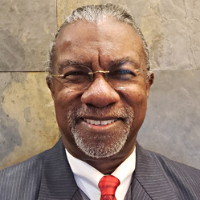
Dr. Denauvo Robinson, Licensed Clinical Mental Health Counselor (LCMHC) in North Carolina, has 48 years of counseling experience. He works on relationship and family concerns, grief, intimacy-related issues, parenting, stress and anxiety, and a wide range of other concerns using client-centered, cognitive behavioral, hypnotherapy, and psychodynamic approaches.
Robinson has worked in residential settings, community agencies, university counseling centers, and private practice. He has experience with adolescents and adults and has provided personal, psychoeducational, and psychosocial counseling services. He has also worked with people involved with the court system and with Division of Social Services cases.
He has provided counseling to couples and families and has more than 15 years running a private practice. His supervision history includes three years of counselor supervision in a university counseling center and ten years of administrative counselor supervision in a university setting. He continues supervision training through conferences and online classes.
Robinson describes his orientation as rooted in cognitive-behavioral, humanistic, developmental, and systemic theories. He also uses Rogerian, reality therapy, and Gestalt techniques when they fit the work. He focuses on helping people identify and use their own strengths and skills to address current problems and underlying issues.
He works with a broad list of concerns including trauma and abuse, depression, anger, self-esteem, career questions, coping with life changes, compassion fatigue, and LGBT issues. Additional focus areas include aging and geriatric matters, body image, infidelity, communication problems, fatherhood issues, and polyamory or non-monogamous relationship concerns.
To begin, follow the site process to complete the matching questionnaire and schedule a first session.
02
Therapeutic approaches and remote sessions
Dr. Robinson draws on cognitive behavioral therapy and client-centered therapy in his work. Cognitive behavioral therapy focuses on practical changes in thinking and behavior to reduce symptoms like anxiety, depression, and stress. Client-centered therapy emphasizes listening and supporting a person's own problem solving and self-directed growth.He treats approach selection as a collaborative process. The therapist and client discuss goals, preferences, and what feels most helpful, then try approaches that fit the situation. Adjustments are made as the work continues so the plan remains useful.
Session formats are not specified in the biography, so confirm current options before booking. Online sessions can help fit counseling into a busy life by reducing travel time and making it easier to schedule short check-ins or regular weekly appointments. They also allow flexible arrangements that can match quieter surroundings, lower bandwidth needs, or not being on camera when that helps a person engage in the work.
03
Areas of expertise
Primary focus
Also works with
Additional focus areas
Therapeutic approaches
Experience
48+ years
Listed in
North Carolina
Languages
English
04
Frequently asked questions
What kinds of problems does he address?
He works on relationship and family concerns, grief, intimacy-related issues, parenting, stress, anxiety, trauma and abuse, depression, and many related topics.
What is his therapeutic style?
He uses client-centered and cognitive behavioral approaches and also integrates psychodynamic perspectives and hypnotherapy as appropriate.
How much experience does he have?
He has 48 years of counseling experience across residential, community agency, university, and private practice settings.
Where is he licensed and practicing?
He is an LCMHC licensed in North Carolina and works from that state.
Which languages are offered for sessions?
Sessions are offered in English.
Can international clients work with him?
He accepts international clients according to the information provided.
How are sessions priced?
Cost varies with location and sessions use a subscription that can be canceled at any time.
How do I begin a first session?
Select the See online therapy options button, complete the short matching questionnaire, and schedule your first session.
Online talk therapy is not emergency care. If you are in danger, call 911, or call or text 988.