01
- Client-Centered Therapy
- Cognitive Behavioral Therapy
- Mindfulness Therapy
About Brandon
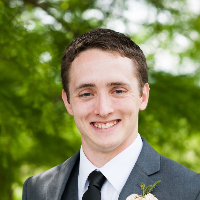
Brandon Thoma, Licensed Professional Counselor (LPC) in Missouri, has eight years of clinical experience. He focuses on stress, anxiety, depression, relationship and intimacy issues, addictions, grief, parenting challenges, and coping with life changes. He works with adults and teenagers and uses client-centered methods alongside cognitive behavioral and mindfulness approaches. Sessions emphasize practical tools to manage thoughts, emotions, and behavior.
Brandon places the client at the center of care. He aims to identify unhelpful patterns and teach skills that help people handle daily demands. He uses motivational interviewing to support change and solution-focused ideas to set achievable goals. Jungian concepts may inform how he and a client think about meaning and personal narrative.
In sessions Brandon addresses a wide range of concerns. These include ADHD, bipolar concerns, anger, body image, addictions, first responder issues, caregiver stress, attachment and abandonment problems, and communication difficulties. He also works with people facing career shifts, parenting strain, and compassion fatigue.
His style balances direct feedback with listening. He will challenge negative thoughts and help clients practice coping skills between sessions. Mindfulness practices are offered to reduce reactivity and improve focus.
Brandon trained in Missouri and holds a master’s degree in counseling. He offers work that combines short-term goal setting with deeper exploration when needed. People seeking a practical, skills-focused approach may find this a good fit.
02
How his therapeutic approaches work in online sessions
Client-centered therapy focuses on listening and reflecting back what matters to the person. It helps people feel understood and guides the pace and goals of work. Cognitive Behavioral Therapy (CBT) looks at how thoughts, feelings, and actions link together. It uses practical exercises and homework to change unhelpful patterns, which can help with anxiety, depression, and anger. Mindfulness Therapy teaches simple attention and breathing skills to reduce reactivity and improve focus. These practices pair well with CBT exercises for day-to-day coping.Choosing an approach is collaborative. Brandon will review goals, preferences, and experiences with clients to decide which methods to emphasize. He adjusts plans as needs change and checks in about progress. Confirm current session options before booking. The therapist’s biography does not list specific online formats here, so readers should verify available session types when scheduling. Online sessions can make it easier to fit therapy into a busy routine, allow shorter check-ins when needed, and reduce travel time. Licensed professionals can adapt exercises, worksheets, and mindfulness practices to work in virtual appointments.
03
Areas of expertise
Primary focus
Also works with
Additional focus areas
Therapeutic approaches
Experience
8+ years
Listed in
Missouri
Languages
English
04
Frequently asked questions
What concerns does he help with?
He works with stress, anxiety, depression, relationship and intimacy issues, addictions, grief, parenting and coping with life changes, among other concerns.
What therapeutic approach does he use?
He uses client-centered therapy as a base and integrates cognitive behavioral therapy, mindfulness, motivational interviewing, solution-focused techniques, and Jungian ideas.
How much clinical experience does he have?
He has eight years of experience working in mental health.
Which credential and state apply to his practice?
He is a Licensed Professional Counselor and holds an LPC license in Missouri.
In which languages can sessions be held?
Sessions are offered in English.
Are international clients accepted?
He does not accept international clients at this time.
How are sessions priced?
Cost varies by location and sessions use a subscription that can be canceled at any time.
How do I begin working with him?
Select the See online therapy options button, complete a short matching questionnaire, and schedule a first session.
Online talk therapy is not emergency care. If you are in danger, call 911, or call or text 988.