01
- Relationship concerns
- Trauma and abuse
- Acceptance and ACT
About Wendy
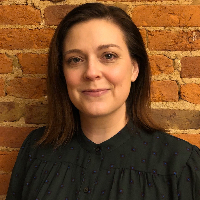
Wendy Gaunt, LPC, is a Licensed Professional Counselor licensed in Pennsylvania with five years of clinical experience. She works with relationship challenges, trauma and abuse, depression, anxiety, addiction concerns, gender and sexuality issues, grief, and stress-related problems. Wendy explains her role as a partner in counseling who focuses on the person in front of her and uses a mix of practical approaches to help people move forward.
She uses person-centered methods that prioritize the client's perspective and strengths. Wendy also incorporates cognitive behavioral techniques and acceptance and commitment ideas to help people notice unhelpful patterns and build skills for change. Attachment-based concepts inform her focus on how early and current relationships affect mood and behavior.
In sessions she talks through specific problems and works on practical tools for coping, managing intense feelings, and improving communication. She will also address issues like parenting strain, caregiver stress, and intimacy-related concerns when they come up. Wendy notes work with eating and sleeping issues, substance concerns, and anger or control problems in her practice.
Her approach is direct but collaborative. She can have challenging conversations about change while also highlighting individual strengths and survival strategies. Wendy provides services in English and practices within Pennsylvania as an LPC.
People who want to begin are asked to use the site's matching process and schedule a first session. She does not accept international clients.
02
How her approaches translate to online work
Acceptance and Commitment Therapy (ACT) helps people clarify what matters to them and take small steps toward those values while learning to notice difficult thoughts and feelings. Attachment-Based Therapy looks at how close relationships shape emotional patterns and focuses on building more secure ways of relating. Cognitive Behavioral Therapy (CBT) identifies unhelpful thinking and behavior patterns and uses practical exercises to change them.Choosing the best approach is part of the work together. The therapist will discuss goals, preferences, and the problems you bring and recommend methods that fit. That decision is collaborative and can change as needs change.
Session formats are not listed in the biography, so confirm current options before booking. Online work can make it easier to fit sessions into a busy schedule, shorten check-ins when needed, and reduce travel time. Therapists who offer remote work often use video for in-depth skill practice and phone for brief updates or when bandwidth is limited. Ask about exact session formats when you complete the matching questionnaire.
03
Areas of expertise
Primary focus
Also works with
Additional focus areas
Therapeutic approaches
Experience
5+ years
Listed in
Pennsylvania
Languages
English
04
Frequently asked questions
What concerns does she address?
She works with relationship issues, trauma and abuse, depression, anxiety, addictions, grief, and related problems such as attachment and caregiver stress.
How would she describe her therapy style?
Her style is person-centered and collaborative, using practical skill work alongside conversations about values and relationships.
How much clinical experience does she have?
She has five years of experience as a clinical mental health counselor.
What are her credentials and where is she licensed?
She holds the Licensed Professional Counselor credential (LPC) and is licensed in Pennsylvania.
Which languages are supported?
Sessions are offered in English.
Can people outside the United States work with her?
She does not accept international clients at this time.
How are sessions billed and what does cost depend on?
Cost varies with location and sessions use a subscription model that can be canceled at any time.
How do I begin a first session?
Select the See online therapy options button, complete the short matching questionnaire, and schedule a first session.
Online talk therapy is not emergency care. If you are in danger, call 911, or call or text 988.