01
- Stress and anxiety
- CBT and ACT methods
- Grief and life changes
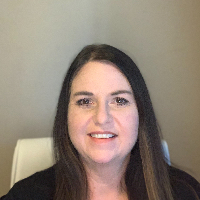
About Rebecca
Rebecca McDow is a Licensed Professional Counselor (LPC) licensed in Texas with 18 years of experience. She works with adults on stress, anxiety, depression, trauma and abuse, grief, self-esteem, ADHD, and life changes using her described counseling approaches. Her stated practice combines client-centered listening with cognitive and solution-focused strategies.
Rebecca uses a person-centered stance in sessions. She listens without judgment and treats each person as an individual. She integrates Cognitive Behavioral Therapy (CBT) and Solution-Focused Therapy to help people identify unhelpful thoughts and build practical changes.
Her approach also draws on Acceptance and Commitment Therapy (ACT) and Dialectical Behavior Therapy (DBT) techniques to teach coping skills and emotional regulation. Sessions mix conversation, skill practice, and goal setting. The aim is to reduce symptoms and increase day-to-day functioning.
Rebecca often helps with problems such as sleep disruption, eating concerns, work stress, compassion fatigue, and adjusting to divorce or midlife transitions. She also lists focus areas including abandonment issues, codependency, chronic pain and illness, first responder issues, and men's issues.
She offers evening appointments Monday through Friday and both daytime and evening times on weekends. The first steps are completing a short matching questionnaire and scheduling an initial session through the site. Rebecca works in English and holds licensure in Texas.
02
How her therapeutic approaches translate to online care
Acceptance and Commitment Therapy (ACT) helps people notice difficult thoughts and choose actions that align with their values. It is useful for anxiety, low mood, and coping with life transitions. Cognitive Behavioral Therapy (CBT) focuses on identifying unhelpful thinking patterns and testing them with practical experiments. It is commonly used for anxiety, depression, and sleep or eating concerns. Dialectical Behavior Therapy (DBT) provides concrete skills for emotional regulation and distress tolerance and can help with impulsivity and intense emotions.Rebecca approaches finding the right method as a collaborative task. She will discuss needs, goals, and preferences and then use ACT, CBT, or DBT techniques as appropriate. Clients and therapist decide together what feels most useful and adjust over time based on progress.
Confirm the therapist's current session options before booking so you know which formats are available. Online work can make it easier to fit sessions into a weekday evening or a weekend slot. It can also allow for shorter check-ins when needed, and sessions that rely on verbal coaching or skill practice rather than long paperwork. Many people find that remote sessions help maintain continuity of care during busy weeks, but check the listed formats to match your schedule and preferences.
03
Areas of expertise
Also works with
Additional focus areas
Therapeutic approaches
Experience
18+ years
Listed in
Texas
Languages
English
04
Frequently asked questions
What concerns does she address?
She works with stress, anxiety, depression, trauma and abuse, grief, self-esteem, ADHD, and adjusting to life changes among other issues.
What is her therapeutic style?
Her style is person-centered with cognitive behavioral and solution-focused techniques. She also uses ACT and DBT strategies to teach coping and regulation skills.
How long has she been practicing?
She has 18 years of experience working with adult clients.
Where is she licensed and based?
She is a Licensed Professional Counselor (LPC) licensed in Texas and practices from that state.
Are sessions offered in other languages?
Sessions are offered in English.
Can international clients work with her?
She does not accept international clients at this time.
What formats are available for sessions?
Confirm current session options before booking to know which formats are offered for appointments.
How are fees and starting steps handled?
Cost varies by location and sessions use a subscription that can be canceled at any time. To begin, select the See online therapy options button, complete the short matching questionnaire, and schedule a first session.
Online talk therapy is not emergency care. If you are in danger, call 911, or call or text 988.