01
- CBT methods
- DBT skills
- EMDR for trauma
About Paul
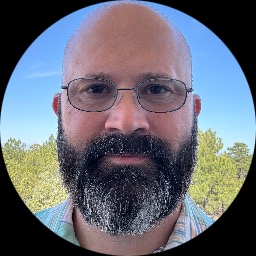
Paul Brunner, Licensed Clinical Social Worker (LCSW) and CSW, is licensed in Colorado and has 15 years of clinical experience. He works with stress, anxiety, trauma and abuse, anger, depression, compassion fatigue, LGBT concerns, sleep problems, self-esteem, career issues, bipolar disorder, and ADHD. He uses Cognitive Behavioral Therapy, Dialectical Behavior Therapy, EMDR, mindfulness work, and motivational interviewing in sessions.
Paul began in mental health as an Army mental health technician in 1999. He completed his MSW while serving and later met licensing requirements in Colorado and North Carolina. He also served as an Army officer and an active duty social worker before moving into civilian clinical work.
His background includes trauma-focused care and substance abuse treatment for veterans. He has provided focused support for people who experienced domestic violence and sexual abuse. He draws on structured therapies when trauma and addiction are part of the picture.
In sessions he uses practical skills from Cognitive Behavioral Therapy to address thinking patterns and behavior. Dialectical Behavior Therapy skills are used to manage intense emotions and improve coping. EMDR is offered as a trauma-processing option where appropriate.
Paul emphasizes steady progress and concrete tools. He works with clients to reduce symptoms, improve daily functioning, and set reachable goals. The work is presented in clear steps and specific techniques.
Sessions are conducted in English and follow standard clinical procedures. Prospective clients should confirm current session options and scheduling details before booking.
02
Therapeutic approaches used in virtual care
Paul frequently uses Cognitive Behavioral Therapy. CBT focuses on identifying unhelpful thoughts and changing behaviors to reduce symptoms like anxiety and depression. It is practical and goal oriented.He also applies Dialectical Behavior Therapy skills. DBT teaches emotion regulation, distress tolerance, and interpersonal effectiveness for people who struggle with intense emotions or impulsivity.
Eye Movement Desensitization and Reprocessing is offered as a trauma-processing option. EMDR aims to reduce the impact of traumatic memories through a structured protocol that pairs memory work with guided bilateral stimulation.
Choosing the best approach is part of therapy. The therapist works together with the client to pick methods that match the person’s needs, goals, and preferences. Sessions may blend techniques and adapt as progress is made.
Confirm which session formats are offered before booking, as the biography does not list specific formats. Online sessions can make it easier to fit visits into a busy schedule, shorten travel time, and allow for shorter check-ins when needed. Licensed professionals can adjust pacing and techniques to fit remote work without changing the core clinical tools used in person.
03
Areas of expertise
Primary focus
Also works with
Additional focus areas
Therapeutic approaches
Experience
15+ years
Listed in
North Carolina, Colorado
Languages
English
04
Frequently asked questions
What kinds of problems does he address?
He works with stress, anxiety, trauma and abuse, anger, depression, compassion fatigue, LGBT concerns, sleep problems, self-esteem, career issues, bipolar disorder, and ADHD.
What therapy approaches does he use?
He uses Cognitive Behavioral Therapy, Dialectical Behavior Therapy, EMDR, mindfulness-based methods, and motivational interviewing in his practice.
How long has he been practicing?
He has 15 years of experience in mental health work, starting as an Army mental health technician and progressing to clinical practice.
Where is he licensed to practice?
He holds LCSW licensure in Colorado and has also met LCSW requirements in North Carolina.
Which languages are sessions offered in?
Sessions are offered in English.
Can international clients work with him?
He is not currently accepting international clients.
How are sessions scheduled and paid for?
Cost varies by location and sessions use a subscription that can be canceled at any time.
How do I begin working with him?
Select the See online therapy options button, complete a short matching questionnaire, and schedule a first session.
Online talk therapy is not emergency care. If you are in danger, call 911, or call or text 988.