01
- Client-Centered Therapy
- Cognitive Behavioral Therapy
- Dialectical Behavior Therapy
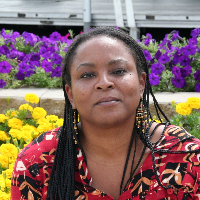
About Cynthia
Cynthia Jenkins, LMHP, is licensed in Nebraska and has 34 years of practice. She works with stress, anxiety, addictions, depression, trauma and abuse, grief, relationship and intimacy-related issues, parenting and sleep problems, and mood disorders. She describes an eclectic, client-focused approach that draws on multiple therapeutic styles to meet a person's needs.
Her background includes counseling in low-income communities and at university and community counseling centers. She has taught psychology at universities in Nebraska, Texas, and Missouri. For more than a decade she trained post-graduate students in psychology topics related to board exams for medicine and dentistry.
Jenkins holds a Ph.D. in Social Psychology and has explored social and political conflicts in several countries. She also practiced as a licensed massage therapist for over 30 years, which influenced her interest in body-based and experiential work. Travel and engagement with different cultural and spiritual perspectives inform her clinical outlook.
She uses a mix of methods rather than a single model. Her stated approaches include Client-Centered Therapy, Cognitive Behavioral Therapy, Dialectical Behavior Therapy, Existential Therapy, and Jungian Therapy. She aims to combine these methods to address practical problems like coping with life changes, codependency, communication issues, and multicultural concerns.
Outside of clinical work she spends time on creative crafts and the outdoors. She notes an interest in environmental causes and says that personal creativity and nature are meaningful in her life.
02
How therapeutic approaches are used in online sessions
Client-Centered Therapy focuses on listening and reflecting. It helps people talk through feelings about relationships, family concerns, grief, and life transitions by emphasizing the person's perspective and goals.Cognitive Behavioral Therapy (CBT) looks at how thoughts affect feelings and behavior. It is practical and problem-focused, useful for anxiety, depression, sleep problems, and coping with life changes.
Dialectical Behavior Therapy (DBT) teaches skills for managing intense emotions and handling interpersonal conflict. It can help with anger, self-regulation, and relationship difficulties.
Choosing the right approach is part of the work. The therapist will discuss goals, preferences, and specific challenges and then recommend methods to try. This is a collaborative process and can change as needs change.
Confirm current session options before booking, as the biography does not list formats. Online work can make it easier to schedule sessions during the week, reduce travel time, and allow a shorter check-in when needed. Ask about session length and practical details when you complete the matching questionnaire.
03
Areas of expertise
Primary focus
Also works with
Additional focus areas
Therapeutic approaches
Experience
34+ years
Listed in
Nebraska
Languages
English
04
Frequently asked questions
What concerns does she address?
She works with stress, anxiety, addictions, depression, trauma and abuse, grief, relationship and intimacy issues, sleep and parenting problems, bipolar and other mood disorders.
What is her therapeutic style?
She describes an eclectic, client-centered approach and combines methods to fit specific concerns and goals.
How long has she been practicing?
She has 34 years of experience in counseling and related teaching roles.
What credential does she hold and where is she based?
She is an LMHP licensed in Nebraska and practices from that state.
Which languages are offered?
Sessions are offered in English.
Does she work with international clients?
International clients are not currently accepted.
How much do sessions cost?
Cost varies with location; sessions use a subscription that can be canceled at any time.
How do I begin working with her?
Select the See online therapy options button, complete a short matching questionnaire, and schedule a first session.
Online talk therapy is not emergency care. If you are in danger, call 911, or call or text 988.