01
- Communication strategies
- Attachment patterns
- Panic and trauma
About Anne
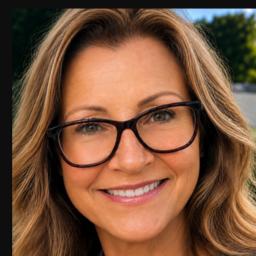
Anne Marie Hebert, LCSW, is licensed in New York and has 16 years of clinical experience. She works with people facing stress, anxiety, depression, relationship and family concerns, and parenting challenges. Her approach is collaborative and person-centered, and she focuses on clearer communication, reducing isolation, and addressing attachment-related patterns.
Hebert helps people who are dealing with panic attacks, trauma, mood disorders, caregiver stress, and workplace problems. She also addresses issues tied to money and finances, guilt and shame, and separation or divorce. Her practice includes attention to social anxiety and phobia and to women’s issues.
Her process emphasizes building insight and practical skills. Sessions often center on communication strategies, understanding how past relationships affect current ones, and steps to reduce anxiety and stress. She works at a pace set by the client while focusing on concrete changes that feel manageable.
Clients can expect straightforward talk about problems and practical steps to try between sessions. Hebert frames therapy as a collaborative effort to test what helps and revise plans when needed. She guides clients through transitions and entrenched patterns with a problem-focused emphasis.
Sessions aim to improve day-to-day functioning. The focus is on communication, emotion regulation, and patterns that keep difficulties repeating. Hebert uses evidence-based therapeutic techniques to support these goals and adjusts the work to fit each person’s situation.
02
Therapeutic approaches and remote care
Hebert uses evidence-based techniques that focus on changing patterns that keep problems going. One common approach she uses helps people learn specific skills for managing anxiety and panic, such as breathing methods, grounding, and stepwise exposure to feared situations. Another approach focuses on attachment and relationship patterns to improve communication and reduce repeated conflicts, helping people notice how past relationships influence current reactions.Choosing the right approach is part of the work. She collaborates with each person to decide which methods fit their goals and preferences. The plan can change as clients try strategies and see what helps in everyday life.
Confirm available session formats before booking since the original biography does not list specific options. Online sessions can make it easier to fit therapy into a busy schedule, shorten travel time, and allow for check-ins during work breaks or quieter parts of the day. They can also reduce the need for camera use when that is helpful, or allow shorter phone check-ins when bandwidth is limited. Discuss format preferences during the matching and scheduling steps.
03
Areas of expertise
Primary focus
Additional focus areas
Experience
16+ years
Listed in
New York
Languages
English
04
Frequently asked questions
What concerns does she address?
She works with stress, anxiety, depression, relationship and family issues, and parenting concerns. Additional focuses include panic disorder, trauma, caregiver stress, and workplace problems.
What is her therapeutic style?
Her style is collaborative and person-centered. She helps people build insight and practical skills at a comfortable pace.
How much clinical experience does she have?
She has 16 years of experience working with adults on a range of mood, anxiety, and relationship issues.
What are her credentials and where does she practice?
She is an LCSW licensed in New York and practices with that license in New York.
Which languages are supported in sessions?
Sessions are offered in English.
Does she work with international clients?
She does not accept international clients at this time.
How are costs handled?
Cost varies with location and sessions use a subscription that can be canceled at any time.
How do I get started with her?
Select the See online therapy options button, complete the short matching questionnaire, and schedule a first session.
Online talk therapy is not emergency care. If you are in danger, call 911, or call or text 988.