01
- Stress and anxiety
- Trauma and abuse
- CBT and DBT methods
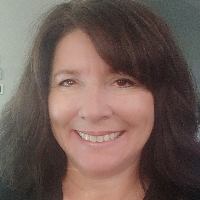
About Angela
Angela "Angie" Lester, LCSW, CSW, is a licensed clinical social worker in Georgia with seven years in practice. She helps people with stress, anxiety, depression, bipolar disorder, addictions, grief, relationship and intimacy concerns, parenting strain, ADHD, and trauma including abuse. Her stated style is direct and solutions focused and she uses approaches such as Acceptance and Commitment Therapy, Cognitive Behavioral Therapy, Dialectical Behavior Therapy, Client-Centered Therapy, and Mindfulness Therapy.
She often works with people who have experienced physical or emotional trauma and with those managing mood and personality disorders. Sessions aim to be practical and goal-oriented, with an emphasis on coping skills, communication, and problem solving. She also lists work on first responder issues, veteran and armed forces issues, and concerns like abandonment, infidelity, and jealousy.
Lester describes her counseling as respectful and non-judgmental while remaining straightforward. She reports using trauma-focused cognitive behavioral methods and dialectical behavior strategies alongside other techniques. Imagery rehearsal for PTSD and CBT approaches for insomnia are mentioned in her background.
Her plans are individualized. That means sessions and treatment steps are adjusted to the person’s goals and the challenges they bring. Expectations and practical steps are discussed early in care.
Sessions are conducted in English. She is licensed in Georgia and holds the credentials LCSW and CSW. For people who want to begin, the usual next step is to complete a brief matching questionnaire and schedule a first session.
02
How her approaches translate to online work
Acceptance and Commitment Therapy (ACT) helps people notice thoughts and choose actions that reflect their values. It is often used for anxiety, stress, and coping with life changes. Cognitive Behavioral Therapy (CBT) focuses on identifying unhelpful thoughts and testing new behaviors. It is commonly used for depression, panic, and mood disorders. Dialectical Behavior Therapy (DBT) teaches skills for emotion regulation, distress tolerance, and interpersonal effectiveness and often helps with strong emotions and relationship struggles.Choosing the right approach is part of the work together. The therapist will discuss goals and preferences and recommend methods that fit those needs. This is a collaborative process and adjustments can be made as progress is reviewed.
Confirm current session formats before booking, as the biography does not list explicit online options. Online work can make it easier to fit sessions around daily life, shorten commute time, and allow for flexible scheduling during work breaks or caregiving windows. It can also allow for shorter check-ins when a quick follow-up is needed and reduce the need to be on camera when bandwidth or attention is limited.
03
Areas of expertise
Primary focus
Also works with
Additional focus areas
Therapeutic approaches
Experience
7+ years
Listed in
Georgia
Languages
English
04
Frequently asked questions
What concerns does she address?
She works with stress, anxiety, depression, bipolar disorder, addictions, grief, relationship and intimacy issues, parenting strain, ADHD, and trauma including abuse.
What is her therapeutic style?
Her approach is direct and solutions focused. She uses practical skills, communication strategies, and problem solving in sessions.
How many years has she practised?
She has seven years of experience in the mental health field.
What are her credentials and location?
She holds LCSW and CSW credentials and is licensed in Georgia.
Which languages are supported?
Sessions are offered in English.
Does she work with international clients?
She is not currently accepting international clients.
How are sessions paid for?
Cost varies with location and sessions use a subscription that can be canceled at any time.
How do I begin therapy with her?
Click the See online therapy options button, complete a short matching questionnaire, and schedule a first session.
Online talk therapy is not emergency care. If you are in danger, call 911, or call or text 988.