01
- Stress and anxiety
- Mood disorders
- Trauma-focused care
About Alan
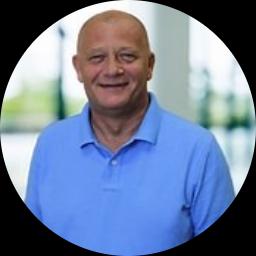
Alan Crandall, LMHC, is licensed in Florida and has 11 years of experience. He works with stress, anxiety, trauma and abuse, mood disorders such as bipolar and depression, relationship and family concerns, grief, parenting challenges, anger, self-esteem, and ADHD. He uses client-centered methods alongside cognitive behavioral and trauma-focused approaches to help people manage symptoms and make practical changes.
Alan speaks in straightforward terms and focuses on skills people can use between sessions. He helps people develop communication skills, cope with life transitions, and address isolation, guilt, or shame. He also supports people dealing with panic attacks, impulsivity, and intimacy-related issues.
In sessions he blends client-centered therapy with cognitive behavioral techniques and DBT strategies when helpful. He may use EMDR for trauma-focused work and motivational interviewing to support change. The emphasis is on clear goals, behavior-focused tools, and step-by-step problem solving.
Alan has worked for over a decade with adults who face workplace stress, social anxiety, mood instability, and related challenges. He draws on that experience to offer practical guidance and measurable steps forward. His work is aimed at improving daily functioning and relationships.
People who prefer direct, skills-based therapy may find his style a good fit. He conducts work in English and practices in Florida. Prospective clients should confirm current session options and logistics before booking.
02
How therapeutic methods translate to remote sessions
Client-Centered Therapy focuses on listening and responding to what the person says, helping them name goals and decide what matters most. It is useful for building motivation and improving communication skills. Cognitive Behavioral Therapy (CBT) breaks problems into thoughts, feelings, and behaviors and teaches practical techniques to change unhelpful patterns; it is often used for anxiety, depression, and panic symptoms. Dialectical Behavior Therapy (DBT) adds skills for emotional regulation, distress tolerance, and better interpersonal effectiveness, which helps with impulsivity and intense moods.Finding the right approach is part of the work. The therapist will collaborate with each person to determine which methods fit their needs, goals, and preferences. Plans can change over time as progress is made and priorities shift.
The practical benefits of remote sessions include easier scheduling and the ability to fit therapy into a busy day. Confirm the exact session options before booking, since formats are not listed here. Online sessions can reduce travel time, allow shorter check-ins when needed, and make it simpler to keep appointments around work or family commitments. Licensed professionals can adapt CBT, DBT, and client-centered techniques to remote sessions so the work remains focused and goal oriented.
03
Areas of expertise
Primary focus
Also works with
Additional focus areas
Therapeutic approaches
Experience
11+ years
Listed in
Florida
Languages
English
04
Frequently asked questions
What concerns does he address?
He works with stress, anxiety, trauma and abuse, bipolar disorder, depression, parenting and relationship issues, grief, anger, self-esteem, ADHD, and related problems.
What is his therapeutic style?
His style is client-centered and skills focused, using clear goals and practical tools from CBT and DBT when helpful.
How much experience does he have?
He has 11 years of clinical experience working with adults on mood and stress-related issues.
What credentials and licensure does he hold?
He is a Licensed Mental Health Counselor, LMHC, licensed in Florida.
Does he offer sessions in other languages or to international clients?
Sessions are offered in English. He is not accepting international clients.
What session formats are available?
Session formats are not specified here. Confirm current session options with the service before scheduling.
How is payment handled?
Cost varies with location and sessions use a subscription model that can be canceled at any time.
How do I start a first session?
Select the See online therapy options button, complete a short matching questionnaire, and schedule a first session.
Online talk therapy is not emergency care. If you are in danger, call 911, or call or text 988.