01
- Client-Centered Therapy
- CBT and DBT strategies
- Adoption and foster care
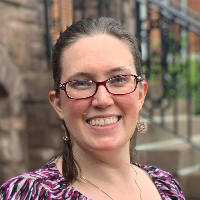
About Rebecca
Rebecca Wagner, Licensed Mental Health Counselor (LMHC) in New York, has 19 years of experience. She focuses on trauma and abuse, parenting concerns, self-esteem, depression, ADHD, anxiety, grief, anger, bipolar disorder, relationship and family challenges, and coping with life changes. She uses client-centered work and practical skills to address immediate problems.
Rebecca frames therapy around the client's perspective. She treats the person as the expert on their life and offers tools to manage symptoms and improve daily functioning. Sessions include skills teaching and brief check-ins when helpful.
Her background includes substantial work with adoption and foster care issues, autism and Asperger syndrome, communication and family problems, impulsivity, panic disorder, post-traumatic stress, self-harm, and sexual assault and abuse. Those areas inform her approach to safety planning and coping strategies.
Rebecca integrates several methods in session. She uses Client-Centered Therapy to center the client's goals, Cognitive Behavioral Therapy to identify and change unhelpful thinking and behavior patterns, Dialectical Behavior Therapy for emotion regulation and distress tolerance, Motivational Interviewing to support change, and Solution-Focused Therapy to set achievable goals.
She has experience working with adolescents and families and emphasizes frequent, targeted contacts when useful. Rebecca notes a preference for scheduled appointments to balance her other responsibilities and says shorter, skills-focused check-ins can be part of care.
02
Approaches used and how online sessions work
Rebecca commonly uses Client-Centered Therapy and Cognitive Behavioral Therapy in her online work. Client-Centered Therapy focuses on the client's own goals and priorities and helps clarify what matters most. Cognitive Behavioral Therapy looks at thoughts and behaviors to find practical ways to reduce distress and change patterns that cause problems.She also uses Dialectical Behavior Therapy when emotion regulation and distress tolerance are needed. DBT teaches concrete skills for managing intense feelings and reducing impulsive actions. These approaches are chosen to match specific problems like anxiety, trauma reactions, self-harm urges, or parenting challenges.
Finding the right approach is part of the process. The therapist collaborates with each person to identify goals and select methods that fit their needs and preferences. Plans are adjusted over time based on what helps.
Confirm the session formats Rebecca offers before booking. The therapist has noted that frequent, brief check-ins and skills teaching are part of her practice and that she values scheduled appointments to balance other responsibilities. Online work can make it easier to fit therapy into a busy life through shorter check-ins and more frequent contacts when appropriate.
03
Areas of expertise
Primary focus
Also works with
Additional focus areas
Therapeutic approaches
Experience
19+ years
Listed in
New York
Languages
English
04
Frequently asked questions
What concerns does she address?
She works with trauma and abuse, parenting, self-esteem, depression, ADHD, stress, anxiety, LGBT issues, relationship and family concerns, grief, anger, bipolar disorder, and coping with life changes.
What is her therapeutic style?
She uses a client-centered approach and combines practical methods such as CBT and DBT to teach skills and address problems directly.
How much experience does she have?
She has 19 years of clinical experience working with adolescents and families and other client concerns.
Where is she licensed and based?
She is a Licensed Mental Health Counselor (LMHC) holding a New York license and practices from New York.
In which languages are sessions offered?
Sessions are offered in English.
Can international clients work with her?
She does not accept international clients at this time.
How are sessions paid for?
Cost varies with location and sessions use a subscription model that can be canceled at any time.
How do I begin working with her?
Select the See online therapy options button, complete the short matching questionnaire, and schedule a first session.
Online talk therapy is not emergency care. If you are in danger, call 911, or call or text 988.