01
- Client-centered work
- Cognitive behavioral tools
- Internal system focus
About Monica
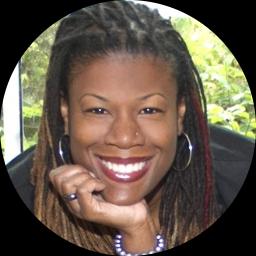
Monica Williams, Licensed Clinical Mental Health Counselor (LCMHC) in North Carolina, has 15 years of experience helping people with stress, anxiety, relationships, trauma and abuse, depression, and ADHD. She describes herself as an intuitive clinician who blends several approaches to support adult clients who are exploring change.
Monica uses a mix of client-centered work, cognitive behavioral techniques, dialectical behavior strategies, and Internal Family Systems ideas. Sessions focus on practical skills and clearer thinking alongside conversations about meaning, values, and spiritual concerns when clients want that. She mentions bringing humor into sessions and keeping work engaging to make difficult topics easier to approach.
Her practice pays attention to attachment, communication, commitment, and family-of-origin patterns. She also addresses issues such as guilt, shame, impulsivity, isolation, and life-purpose questions. Trauma-related difficulties including panic and post-traumatic stress are within her stated focus areas.
Monica says she often connects with adults who identify as spiritually minded and who want an integrative way of working. She describes an approach that mixes problem-solving tools with reflective exploration of beliefs and internal parts.
Clients can expect straightforward sessions that combine skill-building with conversation about values and meaning. The emphasis is on finding concrete ways to reduce distress and improve daily functioning while also considering deeper personal themes. To begin, readers are asked to use the site process to view online therapy options and schedule an initial session.
02
Therapeutic approaches and online sessions
Client-centered therapy focuses on listening and supporting the client's own goals. It helps people who want a respectful, non-directive space to clarify values and make decisions.Cognitive Behavioral Therapy (CBT) works on changing unhelpful thinking and behavior patterns. It is useful for anxiety, depression, panic, and many daily stress problems.
Dialectical Behavior Therapy (DBT) teaches skills for emotion regulation, distress tolerance, and managing intense reactions. It can help with impulsivity and strong emotional responses.
Finding the right approach is part of the work. Monica will discuss which methods fit a person's needs, goals, and preferences and will adjust the plan collaboratively. The choice of tools and exercises is guided by what a client wants to accomplish.
Confirm the specific session formats before booking, as the biography does not list formats. Online sessions can make it easier to fit sessions into a busy week, allow shorter check-ins when needed, and reduce travel time. Practical benefits include keeping momentum between sessions and being able to schedule appointments around work or caregiving commitments.
03
Areas of expertise
Primary focus
Additional focus areas
Therapeutic approaches
Experience
15+ years
Listed in
North Carolina
Languages
English
04
Frequently asked questions
What concerns does she address?
Monica focuses on stress, anxiety, relationship issues, trauma and abuse, depression, and ADHD. She also works with attachment, communication, impulsivity, and related topics.
How would you describe her therapeutic style?
She blends client-centered listening with practical techniques from CBT and DBT and uses Internal Family Systems ideas. She also includes spiritual or intuitive perspectives when clients request that approach.
How much experience does she have?
She has 15 years of professional experience in mental health.
Is she licensed and where does she practice?
She holds an NC LCMHC license and practices in North Carolina.
Which languages are supported?
Sessions are offered in English.
Can she work with international clients?
She is not currently accepting international clients.
How are sessions paid for?
Cost varies with location and sessions are provided through a subscription that can be canceled at any time.
How do I start a session with her?
Use the See online therapy options button, complete the short matching questionnaire, and schedule a first session.
Online talk therapy is not emergency care. If you are in danger, call 911, or call or text 988.