01
- Cognitive Behavioral Therapy
- Mindfulness exercises
- Motivational interviewing
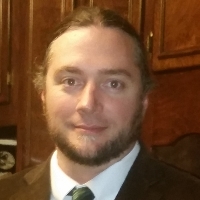
About Jason
Jason Byram, Licensed Clinical Social Worker (LCSW) and Certified Social Worker (CSW), is licensed in Georgia and has seven years of clinical experience. He works with people facing depression, anxiety, stress, and major life changes. He describes his approach as eclectic, grounded in Cognitive Behavioral ideas and humanistic principles, and he uses practical skills like mindfulness and relaxation exercises.
Byram favors clear, skills-based work. He uses cognitive behavioral techniques to help people notice unhelpful thinking and try different behaviors. He also draws on client-centered ideas to focus on each person's goals and on motivational interviewing to support change.
He incorporates elements of Dialectical Behavior Therapy for emotion regulation and coping skills when those tools fit a person’s needs. Mindfulness practices he uses include guided imagery, body scan meditation, and progressive muscle relaxation. These are presented as exercises to practice between sessions.
Byram’s background includes work in structured CBT programs, medication-assisted treatment for substance use, child and adolescent group therapy, correctional mental health, mobile crisis response, and developmental-disability crisis care. That range informs his focus on mood disorders, addiction-related issues, and crisis work.
He lists a broad set of concerns he addresses, including bipolar disorder, trauma, grief, anger, relationship strain, career stress, body image, caregiver stress, first responder issues, and self-harm. People can expect straightforward, practical sessions that teach coping skills and problem-solving strategies.
02
How his approaches shape online work
Jason uses Cognitive Behavioral Therapy to help people identify unhelpful thoughts and test new behaviors. CBT is practical and problem-focused, useful for anxiety, depression, and mood concerns.He also uses Dialectical Behavior Therapy strategies for emotion regulation and distress tolerance. DBT skills are helpful for strong emotions, impulsivity, and self-harm urges. Mindfulness practices are offered as short exercises to reduce reactivity and increase present-moment awareness.
Finding the right mix of techniques is part of the first sessions. He works collaboratively to choose approaches that match a person's goals, needs, and preferences. Clients and therapist review progress and adjust methods over time.
Confirm current session options before booking so you know which formats are available. Online work can make it easier to fit sessions into a busy week, allow shorter check-ins when needed, and reduce travel time. Practical exercises like guided imagery, body scans, and homework tools translate well to remote sessions and can be practiced between meetings to build coping skills.
03
Areas of expertise
Primary focus
Also works with
Additional focus areas
Therapeutic approaches
Experience
7+ years
Listed in
Georgia
Languages
English
04
Frequently asked questions
What problems does he address?
He works with stress, anxiety, depression, bipolar disorder, addiction, trauma, grief, anger, relationship and family concerns, and related issues like body image and caregiver stress.
What is his therapeutic style?
He uses an eclectic, skills-focused style centered on Cognitive Behavioral methods with humanistic influences and practical exercises.
How much clinical experience does he have?
He has seven years of experience in clinical practice and earlier roles across mental health settings.
What are his credentials and where is he licensed?
He holds the credentials LCSW and CSW and is licensed in Georgia.
Which languages are supported for sessions?
Sessions are offered in English.
Can international clients work with him?
He is not currently accepting international clients.
How are sessions billed?
Cost varies by location and sessions use a subscription that can be canceled at any time.
How do I begin working with him?
Select the See online therapy options button, complete a short matching questionnaire, and schedule a first session.
Online talk therapy is not emergency care. If you are in danger, call 911, or call or text 988.