01
- CBT methods
- ACT strategies
- DBT skills
About Christine
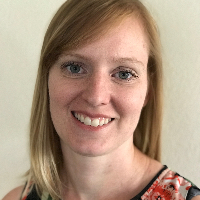
Christine Sanchez, LPC, is a Licensed Professional Counselor in Texas with six years of experience. She works with stress, anxiety, anger, low self-esteem, depression, trauma and abuse, grief, eating concerns, bipolar disorder, and ADHD. She also focuses on relationship and family concerns, communication problems, impulsivity, and workplace issues. Sessions use approaches she lists in her profile, including cognitive behavioral and acceptance and commitment methods.
Her style is direct and practical. She uses Cognitive Behavioral Therapy, Dialectical Behavior Therapy, Acceptance and Commitment Therapy, and Solution-Focused Therapy to teach skills and coping strategies. Sessions often include skill practice, behavioral experiments, and short-term goal setting to address symptoms and day-to-day difficulties.
Christine has experience as a counselor, skills coach, and crisis counselor. That background shapes a focus on concrete tools for managing overwhelming emotions and impulsive behaviors. She pays attention to family of origin issues, guilt and shame, and social anxiety.
She describes working without preconceived stigmas or prejudices and aims to help people build self-love and stronger communication. Practical topics she addresses include life purpose, young adult transitions, and workplace stress.
To begin, prospective clients follow the site flow to choose options, complete a brief questionnaire, and schedule a first session. Fees vary by location and services use a subscription model that can be canceled at any time.
02
How Christine’s approaches translate to online care
Acceptance and Commitment Therapy (ACT) focuses on clarifying values and taking small committed actions. Online sessions can use ACT exercises to help reduce avoidance and increase meaningful activity. Cognitive Behavioral Therapy (CBT) breaks problems into thoughts, feelings, and behaviors and uses practical homework. In virtual sessions, CBT worksheets and behavioral experiments can be reviewed and adjusted together. Dialectical Behavior Therapy (DBT) teaches emotion regulation, distress tolerance, and interpersonal effectiveness skills. These skills can be practiced in-session and rehearsed between appointments. Choosing an approach is collaborative. The therapist will work with the client to pick methods that fit their goals, needs, and preferences. Together they will try techniques and adjust the plan based on what helps most. Confirm session formats before booking so you know which options are offered. Online work can make it easier to fit sessions into a busy routine, reduce travel time, and allow skill practice in everyday settings. It also supports shorter check-ins when schedules are tight and lets therapists review worksheets and homework during the appointment. Ask about current session options when you complete the questionnaire.03
Areas of expertise
Primary focus
Also works with
Additional focus areas
Therapeutic approaches
Experience
6+ years
Listed in
Virginia, Texas
Languages
English
04
Frequently asked questions
What concerns does she address?
She works with stress, anxiety, anger, self-esteem, depression, trauma and abuse, grief, eating concerns, bipolar disorder, and ADHD, among other issues.
How would she describe her therapeutic style?
Her style focuses on teaching skills and setting short-term goals using practical exercises from CBT, DBT, ACT, and solution-focused work.
How much clinical experience does she have?
She has six years of professional experience working as a counselor, skills coach, and crisis counselor.
What are her credentials and where is she licensed?
She is a Licensed Professional Counselor - LPC - licensed in Texas and also holds a Virginia LPC credential.
Which languages are sessions offered in?
Sessions are offered in English.
Can international clients book sessions?
She does not accept international clients at this time.
How are fees and payment handled?
Cost varies with location and services use a subscription model that can be canceled at any time.
How do I get started with scheduling?
Use the See online therapy options button, complete the short matching questionnaire, and schedule a first session.
Online talk therapy is not emergency care. If you are in danger, call 911, or call or text 988.