01
- Attachment-Based Therapy
- Cognitive Behavioral Therapy
- Grief and career issues
About Patricia
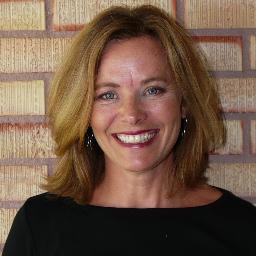
Patricia DeBor, Licensed Professional Counselor (LPC), practices in Idaho and has 15 years of clinical experience. She works on stress, anxiety, trauma and abuse, grief, career concerns, and coping with life changes using approaches she describes as warm, genuine, and evidence based.
Patricia uses an attachment-based lens to understand how relationships shape reactions to stress. She also uses client-centered methods that keep sessions focused on the person's goals and experience. Cognitive Behavioral Therapy is used to identify unhelpful thoughts and try different coping strategies.
Her experience includes private practice, military settings, and higher education. That background informs work with first responder issues, veteran and armed forces concerns, and hospice and end-of-life counseling. She also addresses process addictions, sexual assault and abuse, jealousy, and seasonal affective disorder.
In sessions she aims to identify clear concerns and develop practical tools. Conversations focus on small, workable steps to reduce feeling stuck. She helps people set goals related to career changes, grief, or managing anxiety symptoms.
Patricia describes her style as genuine and evidence based. She collaborates to create individualized tools and strategies. The emphasis is on concrete skills and measurable progress rather than abstract theory.
02
How her approaches guide online work
Patricia commonly draws on attachment-based ideas to look at how relationships influence stress responses. This approach helps when past relationship patterns affect current reactions, such as during grief or after trauma. Client-centered therapy is also a core method; it means sessions focus on the person’s goals and experiences and the therapist follows their lead. She also uses Cognitive Behavioral Therapy to identify and change thoughts and behaviors that keep problems going. CBT is practical and problem-focused, which can help with anxiety, SAD, process addictions, and career-related stress. Choosing the right approach is part of the work together. Patricia will discuss goals, symptoms, and preferences and recommend a mix of methods. That decision is collaborative and may change as progress is made. Confirm the session formats before booking, as formats are not specified here. Online work can make it easier to fit sessions into a busy schedule, reduce travel time, and allow shorter check-ins when needed. It can also make it simpler to maintain continuity after a move or a change in work hours. Licensed professionals can use these methods effectively in remote sessions when the format fits the person’s needs.03
Areas of expertise
Primary focus
Additional focus areas
Therapeutic approaches
Experience
15+ years
Listed in
Idaho
Languages
English
04
Frequently asked questions
What concerns does she address?
She works with stress, anxiety, trauma and abuse, grief, career issues, and coping with life changes. Additional focus areas include first responder issues, hospice and end-of-life counseling, and process addictions.
What is her therapeutic style?
She uses attachment-based and client-centered approaches and integrates Cognitive Behavioral Therapy and mindfulness methods. Sessions emphasize practical tools and individualized strategies.
How much experience does she have?
She has 15 years of experience working in private practice, military settings, and higher education.
What credential does she hold and where does she practice?
She holds the LPC credential and practices in Idaho.
Which languages are offered?
Sessions are offered in English.
Can international clients work with her?
International clients are not currently accepted.
How are sessions priced?
Cost varies with location and sessions use a subscription that can be canceled at any time.
How do I begin working together?
Use the See online therapy options button, complete the short matching questionnaire, and schedule the first session.
Online talk therapy is not emergency care. If you are in danger, call 911, or call or text 988.