01
- CBT methods
- DBT skills
- Motivational interviewing
About Naharia
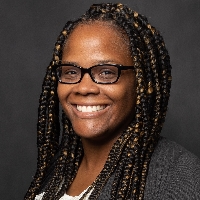
LPC Dr. Naharia Heard is a Licensed Professional Counselor in Virginia with 10 years of experience. She works with stress, anxiety, relationship and family concerns, trauma and abuse, depression, addictions, grief, intimacy issues, parenting strain, anger, self-esteem, career concerns, coaching, and compassion fatigue. She uses client-centered methods and evidence-informed therapies in ways she describes in session.
Dr. Heard is a mother and an Army veteran. She has a Doctorate in Mental Health Counseling and holds the LPC credential in Virginia. Her background includes work with people who face the daily strain of relationships, job stress, depression, substance use, and trauma related to sexual abuse or combat.
Her approach blends person-centered listening with practical skills work. She draws on Cognitive Behavioral Therapy to identify unhelpful thoughts and patterns. She also incorporates Dialectical Behavior Therapy skills to help manage strong emotions and motivate safer choices.
Emotionally-Focused Therapy ideas appear in how she attends to relational patterns and intimacy concerns. Motivational Interviewing is used when people are weighing change or working on substance use and behavior change.
Sessions focus on building coping skills, clarifying goals, and practicing new ways of relating and responding. Dr. Heard emphasizes collaboration and practical steps that people can use between sessions. Prospective clients should confirm current session formats before booking.
02
Therapeutic approaches and online care
Dr. Heard uses Client-Centered Therapy to prioritize the person’s perspective and foster clear communication about goals. This approach focuses on listening and responding to what each client says matters most, which can help with stress, relationships, and self-esteem issues.She also draws on Cognitive Behavioral Therapy, which looks at thoughts, feelings, and behaviors. CBT provides concrete tools to reframe unhelpful thinking and build new coping habits for anxiety and depression. Dialectical Behavior Therapy skills are used to teach emotion regulation, distress tolerance, and interpersonal effectiveness for people who struggle with intense emotions or recurring conflict.
Finding the right approach is a collaborative process. The therapist will work with each person to identify which methods fit their needs, goals, and preferences. This helps shape a plan that combines listening with practical skill-building.
The biography does not list specific online session formats, so confirm current options before booking. Online sessions can make it easier to fit meetings into a busy week, shorten check-ins when needed, and reduce travel time. Licensed professionals and therapists can adapt CBT and DBT exercises for remote work, allowing people to practice skills between sessions and apply them in everyday life.
03
Areas of expertise
Primary focus
Also works with
Therapeutic approaches
Experience
10+ years
Listed in
Virginia
Languages
English
04
Frequently asked questions
What concerns does she work on?
She works with stress, anxiety, relationship and family concerns, trauma and abuse, depression, addictions, grief, intimacy issues, parenting strain, anger, self-esteem, career questions, coaching, and compassion fatigue.
What is her therapeutic style?
She uses a client-centered stance paired with practical therapies such as CBT and DBT skills. Sessions typically include goal setting and skill practice.
How long has she been practicing?
She has 10 years of clinical experience.
What credential and location does she hold?
She holds the LPC credential and practices in the state of Virginia.
Which languages are supported?
Sessions are offered in English and international clients are not currently accepted.
What session formats are available?
The biography does not list specific session formats. Please confirm current session options before booking.
How are sessions priced?
Cost varies with location. Sessions use a subscription that can be canceled at any time.
How do I get started?
Select the See online therapy options button, complete a short matching questionnaire, and schedule a first session.
Online talk therapy is not emergency care. If you are in danger, call 911, or call or text 988.