01
- CBT methods
- DBT skills
- Trauma focus
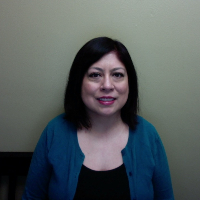
About Dianna
Dianna Zuniga, LISW, LCSW, is licensed in Ohio as an LISW and in California as an LCSW and has 21 years of clinical experience. She focuses on stress, anxiety, trauma and abuse, grief, parenting concerns, depression, addictions, LGBT issues, relationship and family concerns, intimacy-related issues, anger, self-esteem, coping with life changes, compassion fatigue, and ADHD. She offers therapy in English and Spanish and uses approaches the client can expect to hear about in sessions.
Dianna draws on Cognitive Behavioral Therapy and Dialectical Behavior Therapy to address thinking patterns and teach practical coping skills. She also uses Mindfulness Therapy and Solution-Focused Therapy to build short-term strategies and attention skills. Trauma-Focused Therapy is part of her approach for people who have experienced abuse or other traumatic events.
Her background includes work in mental health clinics, substance abuse treatment settings, and both public and private school environments. That range has informed her work with individuals coming from different life contexts and stressors. She emphasizes skills practice so clients leave sessions with concrete tools to use between meetings.
Sessions are described in straightforward terms: talk through current problems, learn specific skills, and try practical strategies that fit daily life. She frames therapy as collaborative and focused on measurable changes clients can notice.
Clients can expect a clinician who blends evidence-based methods with brief, skills-based planning. The emphasis is on making progress through clear steps, skill practice, and short-term problem solving.
02
Therapeutic approaches used in online sessions
Dianna often uses Cognitive Behavioral Therapy to help people identify and change unhelpful thought patterns and behaviors. CBT tends to focus on concrete steps and homework tasks that target specific symptoms like anxiety or depression.She also uses Dialectical Behavior Therapy skills to teach emotion regulation, distress tolerance, and interpersonal effectiveness. DBT skills are practical techniques aimed at managing strong emotions and improving day-to-day functioning.
Finding the right approach is part of the work. The therapist will help clients decide which methods fit best based on their goals and what feels useful. That choice is made together and can change as therapy progresses.
Confirm current session options before booking, as formats are not specified here. Online sessions can make it easier to fit meetings into a busy schedule, allow shorter check-ins when needed, and reduce travel time. Therapists licensed in the appropriate state can guide clients in applying CBT and DBT skills to real-life situations during online appointments.
03
Areas of expertise
Primary focus
Also works with
Therapeutic approaches
Experience
21+ years
Listed in
California, Ohio
Languages
English, Spanish
04
Frequently asked questions
What concerns does she address?
She works with stress, anxiety, trauma and abuse, grief, parenting, depression, addictions, LGBT issues, relationship and family concerns, intimacy-related issues, anger, self-esteem, coping with life changes, compassion fatigue, and ADHD.
What is her therapeutic style?
She uses practical, skills-based methods such as Cognitive Behavioral Therapy and Dialectical Behavior Therapy and focuses on teaching tools clients can use between sessions.
How long has she been practicing?
She has 21 years of clinical experience working in a range of settings.
Which credentials and state licensure does she hold?
She holds LISW and LCSW credentials, licensed as an OH LISW and a CA LCSW, and practices in California.
Does she offer services in languages other than English?
Sessions are offered in English and Spanish.
Can people outside the United States work with her?
She is not currently accepting international clients.
How are sessions priced?
Cost varies with location; sessions use a subscription that can be canceled at any time.
How do I begin working with her?
Select the See online therapy options button, complete a short matching questionnaire, and schedule a first session.
Online talk therapy is not emergency care. If you are in danger, call 911, or call or text 988.