01
- Client-centered therapy
- Cognitive behavioral therapy
- Trauma-focused methods
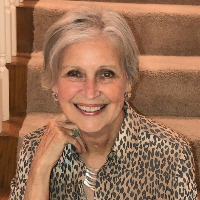
About Carolyn
Dr. Carolyn Greenleaf, LCSW, holds a Texas LCSW and has practiced for 40 years. She works with stress, anxiety, addictions, trauma and abuse, depression, relationship and family concerns, grief, parenting issues, ADHD, and related areas. Her stated approach is interactive and straightforward, drawing on client-centered and cognitive behavioral methods to address thinking patterns and coping skills.
Dr. Greenleaf has worked as a psychotherapist and crisis interventionist in the Dallas metro area since 1979. She describes her counseling as person-centered and cognitive behavioral, using the first to build and maintain a therapeutic relationship and the second to identify and change self-defeating thinking and coping behaviors. She also notes using humor in sessions when appropriate.
In the room she aims for direct conversation. Sessions focus on clarifying problems, identifying patterns, and practicing different ways of responding. She uses practical tools from cognitive behavioral work alongside open, client-centered discussion.
Her background includes decades of crisis work and long-term clinical practice. That experience informs how she addresses trauma, bereavement, caregiving stress, and first responder or veteran issues. She lists solution-focused and trauma-focused strategies among her methods as well.
Parents reading this will find plain language and a direct style. Dr. Greenleaf emphasizes clear goals, observable changes in thinking and behavior, and using humor as part of the process. Prospective clients should confirm current session options before scheduling.
02
How her approaches inform online work
Dr. Greenleaf uses client-centered therapy to build a working relationship through attentive listening and open dialogue. That approach helps clients feel heard while they describe stress, grief, or family concerns. Cognitive behavioral therapy focuses on identifying unhelpful thoughts and testing new responses with practical exercises and home practice. This method is often used for anxiety, depression, and changing coping behaviors.Choosing the right approach is part of the work together. She will discuss goals, preferences, and the problems you bring. The therapist and client decide collaboratively which methods to emphasize and they adjust the plan over time.
Confirm the specific session formats available before booking since formats were not specified in the biography. Online sessions can make it easier to fit appointments into busy schedules, reduce travel time, and allow shorter check-ins when that suits someone. They also allow exercises and thought records to be reviewed together during a session. Ask about current session options when you schedule so the logistics match your needs.
03
Areas of expertise
Also works with
Additional focus areas
Therapeutic approaches
Experience
40+ years
Listed in
Texas
Languages
English
04
Frequently asked questions
What concerns does she address?
She works with stress, anxiety, addictions, trauma and abuse, depression, relationship and family issues, grief, parenting concerns, ADHD, and related problems.
What is her therapy style?
She uses an interactive, straightforward style that combines client-centered conversation with cognitive behavioral techniques to change thinking and behavior.
How much clinical experience does she have?
She has 40 years of clinical experience and has worked as a psychotherapist and crisis interventionist since 1979.
What are her credentials and location?
She is a Licensed Clinical Social Worker (LCSW) licensed in Texas and practices from Texas.
Which languages are supported?
Sessions are offered in English.
Does she work with international clients?
International clients are not currently accepted.
How are sessions scheduled and what do they cost?
Cost varies with location and sessions use a subscription that can be canceled at any time.
How do I begin working with her?
Use the See online therapy options button, complete a short matching questionnaire, and schedule a first session.
Online talk therapy is not emergency care. If you are in danger, call 911, or call or text 988.