01
- Client-centered
- Trauma informed
- Strengths focused
About Ashley
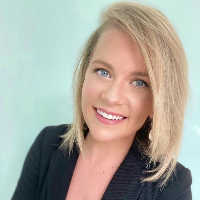
Ashley Williams, Licensed Clinical Social Worker (LCSW), is licensed in Florida and has six years of clinical experience. She works with people facing stress, anxiety, trauma and abuse, grief, addiction, depression, relationship and family concerns, parenting strain, and life transitions. Her practice emphasizes client-centered, trauma-informed care and uses a strengths-focused, solutions-oriented approach.
Ashley has worked in child welfare, foster care and adoption, substance abuse treatment, cancer and chronic illness care, recovery settings, and the prison system. That background informs how she approaches trauma, secondary trauma, and caregiver stress. She draws on several practical methods so interventions match the problem at hand.
Her stated methods include Acceptance and Commitment Therapy, Attachment-Based Therapy, Client-Centered Therapy, Cognitive Behavioral Therapy, and Emotionally-Focused Therapy. In sessions she helps people identify strengths, set clear goals, and try techniques that address symptoms and everyday functioning. The aim is to build skills that can be used between meetings.
Ashley views clients as the experts on their lives and follows their lead about the pace and focus of work. She uses a solutions-focused lens to develop treatment plans that target specific concerns. This includes concrete steps for coping, stress management, and reducing problematic patterns.
She completed both undergraduate and graduate degrees at Florida Atlantic University. Her clinical experience spans community and institutional settings, which she brings into session planning and case understanding.
02
Therapeutic approaches used in remote work
Acceptance and Commitment Therapy (ACT) emphasizes noticing thoughts and feelings while focusing on values and committed action. It can help with anxiety, depression, and decisions during life changes. Cognitive Behavioral Therapy (CBT) breaks problems into thoughts, feelings, and behaviors and teaches practical strategies to change unhelpful patterns. It is commonly used for anxiety, depression, and coping skills. Attachment-Based Therapy looks at patterns in close relationships and how early bonds affect current feelings and behavior; it can be useful for relationship distress and attachment concerns.Finding the right approach is part of the work. Ashley will collaborate with each person to identify goals and try methods that match those goals. She adapts techniques based on progress and client preference so sessions feel focused and useful.
Session formats are not specified in the provided biography, so confirm current online options before booking. Many people find remote sessions help fit therapy into busy days, allow shorter check-ins when needed, and reduce travel time. Online work can make it easier to maintain continuity of care while juggling appointments, caregiving, or work commitments.
03
Areas of expertise
Also works with
Additional focus areas
Therapeutic approaches
Experience
6+ years
Listed in
Florida
Languages
English
04
Frequently asked questions
What concerns does she address?
She works with stress, anxiety, trauma and abuse, grief, depression, addictions, relationship and family issues, parenting strain, ADHD, and related areas such as abandonment and attachment issues.
What is her therapeutic style?
She uses a client-centered, trauma-informed approach and draws on multiple modalities like ACT, CBT, EFT, and attachment-based work.
How much clinical experience does she have?
Ashley has six years of practice experience in a range of settings including child welfare, substance abuse treatment, cancer and chronic illness care, and the prison system.
Where is she licensed and based?
She is a Licensed Clinical Social Worker (LCSW) licensed in the state of Florida and practices from that jurisdiction.
Which languages are offered for sessions?
Sessions are offered in English only.
Can international clients work with her?
International clients are not currently accepted.
How are sessions paid for?
Cost varies by location and sessions use a subscription that can be canceled at any time.
How do I begin working with her?
Start by selecting the See online therapy options button, complete a short matching questionnaire, and schedule a first session.
Online talk therapy is not emergency care. If you are in danger, call 911, or call or text 988.